A holistic approach to pediatric care in Frisco and Plano, Texas

Award winning, top rated Pediatrician serving Frisco, Plano, Allen and North Dallas

AFRAID OF YOUR WEIGHT…DON’T

Leave a comment

THE GOOD AND BAD OF CHOLESTEROL

Leave a comment


Leave a comment

CALCIUM ALTERNATIVES

Dairy Free Calcium Rich food


Leave a comment

HOW SAFE ARE SWEETENERS?

A sugar substitute is a food additive that duplicates the effect of sugar in taste, usually with less food energy. Some sugar substitutes are natural and some are synthetic.

Alternative sweeteners are highly consumed in America. According to research studies explained by The American Journal of Clinical Nutrition, in 2003–2004, Americans two years of age and older consumed 585g per day of beverages and 375g per day of foods with caloric sweeteners. Some commonly consumed foods with alternative sweeteners are diet sodas, cereals, and sugar-free desserts such as ice cream.

In the United States, seven intensely sweet sugar substitutes have been approved for use. They are stevia, aspartame, sucralose, neotame, acesulfame potassium (Ace-K), saccharin, and advantame. The food and beverage industry is increasingly replacing sugar or corn syrup with artificial sweeteners in a range of products traditionally containing sugar.

Aspartame: Aspartame is a methyl ester. More than 6,000 products contain aspartame. It is approximately 200 times sweeter than sucrose, or table sugar. The FDA reviewed its safety in 2007 and concluded that aspartame is safe at current levels of consumption as a nonnutritive sweetener. However, people with the genetic condition phenylketonuria

PKU cannot ingest it. And pregnant women shouldn’t since they have been linked to premature births. In a study done in 1979, the effect of aspartame ingestion on blood and milk amino acid levels in lactating women was tested and found a small effect on the milk aspartate levels. The consumer advocacy group the Center for Science in the Public Interest continues to promote the position that aspartame is not safe.

Sucralose/Splenda:Splenda is twice as sweet as saccharin and three times as sweet as aspartame. The actual energy content of a single-serving (1-g packet) of Splenda is 3.36 kilocalories, 31% of those of a granulated sugar (10.8 kcal). In the United States, it is legally labelled “zero calories”. Some studies have determined that sucralose is not a biologically inert compound, having possible toxic effects, including creation of dioxin-like compounds when sucralose is heated.

Saccharine: Saccharin was produced first in 1878. It is 300 times as sweet as sucrose or table sugar, but has a bitter or metallic aftertaste, especially at high concentrations. The basic substance is benzoic sulfilimine. Studies have shown saccharine causes bladder cancer is rats, which eventually prompted safety warnings on products containing saccharine. However, in 2001, the FDA reversed its position, declaring it safe for consumption.

Neotame: The chemical formula is similar to aspartame, but it is between 7,000 and 13,000 times sweeter than sucrose (table sugar). It’s the only artificial sweetener deemed “safe” by the consumer advocacy group Center for Science in the Public Interest.

Truvia: Truvía’s ingredients are erythritol. The calorie-free, low-carb sweetener comes from the shrub-like stevia plant. This sugar substitute is about 100 times sweeter than sugar. The FDA first rejected it in the 1990s for use as a food ingredient. High dosages fed to rats affected reproduction. But in 2008 the FDA granted stevia “GRAS” status, meaning it is “generally recognized as safe.”

Comparison of sweetness based on energy content is not meaningful because many artificial sweeteners have little or no food energy.

Name Sweetness (by weight) Trade name Approval Notes
Acesulfame potassium 200 Nutrinova FDA 1988 E950
Advantame 20,000 FDA
Alitame 2,000 approved in Mexico, Australia, New Zealand and China. Pfizer
Aspartame 160–200 NutraSweet, Equal FDA 1981, EU-wide 1994 E951
Salt of aspartame-acesulfame 350 Twinsweet E962
sodium cyclamate 30 FDA Banned 1969, approved in EU E952, Abbott
Dulcin 250 FDA Banned 1950
Glucin 300
Neohesperidin dihydrochalcone 1,500 E959
Neotame 8,000 NutraSweet FDA 2002 E961
P-4000 4,000 FDA banned 1950
Saccharin 300 Sweet’N Low FDA 1958 E954
Sucralose 600 Kaltame, Splenda Canada 1991, FDA 1998, EU 2004 E955, Tate & Lyle

ISSUES WITH CHEMICAL SWEETNERS
Animal studies have indicated that a sweet taste induces an insulin response in rats.

A 2014 study by a collaboration from nine Israeli research institutes presented experimental evidence that artificial sweeteners may exacerbate, rather than prevent, metabolic disorders such as Type 2 diabetes.

Source: Wikipedia


Leave a comment

YOUR MONEY DOES THE TALKING

Look at EWG guide on what to eat organic


Leave a comment

EGG LABELING

There was time when food was simple. Egg meant an egg from a free range chicken in the backyard eating grains and grub. And now this:


Leave a comment

LATEST RESEARCH: ALCOHOL CONSUMPTION (TEENS)

As little as five alcoholic drinks a week could have an adverse effect on young men’s sperm quality, per a study of 1,221 Danish men between the ages of 18 and 28.

Teens: Think before your drink.


Leave a comment

SUGAR VERSUS SUGAR SUBSTITUTE FOR KIDS

QUESTION: Doctor: You often say avoid “Added Sugar”. It is bad for a growing child. What is your view about Products made with sugar substitutes? How about Diet Soda? Which sugar substitute is good for my child?

MY VIEWS:

Children generally love sugary foods, and chances are the processed or packaged food your child eats has some amount of added sugar. The American Heart Association (AHA) recently released new guidelines limiting the amount of added sugar considered acceptable for a healthy diet. Per AHA,

  • Preschoolers with a daily caloric intake of 1,200 to 1,400 calories shouldn’t consume any more than 170 calories, or about 4 teaspoons, of added sugar a day.
  • Children ages 4-8 with a daily caloric intake of 1,600 calories should consume no more than 130 calories, or about 3 teaspoons a day.
  • As your child grows into his teen years, his caloric range increases to 1,800 to 2,000 a day, and the maximum amount of added sugar included in his daily diet should be 5 to 8 teaspoons.

However the reality per AHA study is

  • children as young as 1-3 years typically consume around 12 teaspoons of sugar a day!!
  • By the time a child is 4-8 years old, his sugar consumption skyrockets to an average of 21 teaspoons a day!

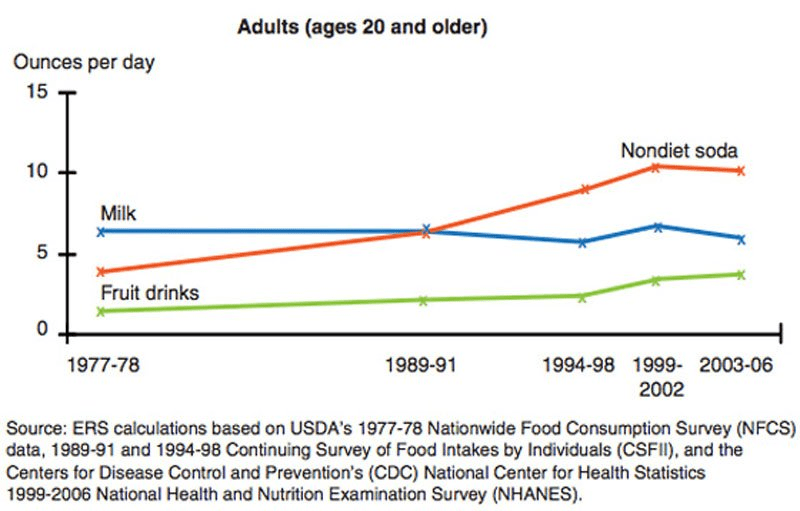
Obesity rates tripled in 30 years, and sugar-sweetened beverage consumption among children more than doubled in the last 2 decades of the twentieth century. Many children drink more sugar-sweetened beverages than milk. Sugar-sweetened beverages represent the largest category of daily caloric intake (7%–12%) for many demographic groups. Evidence suggests that increasing consumption of sugar-sweetened beverages raises weight and obesity rates.

This is why I recommend against “Added Sugar” in your child’s diet.

Now let’s look at Sugar Substitutes

Sugar substitutes provide sweetness to food without the calories of sugar. The FDA has approved five artificial sweeteners: saccharin, acesulfame, aspartame, neotame, and sucralose. It has also approved one natural low-calorie sweetener, stevia. How the human body and brain respond to these sweeteners is very complex. Of the above only Stevia is a natural sweetener. But just because something is natural does not always mean that it is safer. Sugar substitutes are found in most of the “light,” “reduced calorie” or “sugar-free” foods and drinks available today.

As the name says, Sugar substitutes are just as the name says – chemicals masquerading as sugar!

What does research say?:

  • Research suggests that Sugar substitutes may prevent us from associating sweetness with caloric intake. As a result, we may crave more sweets, tend to choose sweet food over nutritious food, and gain weight.
  • Animal studies suggest that artificial sweeteners may be addictive. In studies of rats who were exposed to cocaine, then given a choice between intravenous cocaine or oral saccharine, most chose saccharin.
  • Aspartame is also often anecdotally linked to brain disorders based on small animal studies, but human studies have not shown an association.
  • A lot of studies show that diet soda is linked with being overweight but there isn’t a clear answer as to why.

Due to limited studies in children, the American Academy of Pediatrics (AAP) has no official recommendations regarding the use of noncaloric sweeteners.

So the best advice I can give is probably to

  • avoid artificial chemicals in general (which is high in processed food);
  • limit both regular and diet soda consumption for optimal health, especially for children.

Also check out:

· HOW DOES SUGAR AFFECT YOUR BRAIN?

· SUGAR PER DAY – GUIDANCE

· SUGARY DRINKS – POUNDING YOUR YOUNG

· POLITICAL CONTRIBUTION FROM THE FOOD INDUSTRY

· HOW SAFE IS ARTIFICIAL SWEETNER FOR YOUR KID?


Leave a comment

SIMPLE ADVICE TO FOLLOW – AVOID FAST FOOD

Do Not Enter

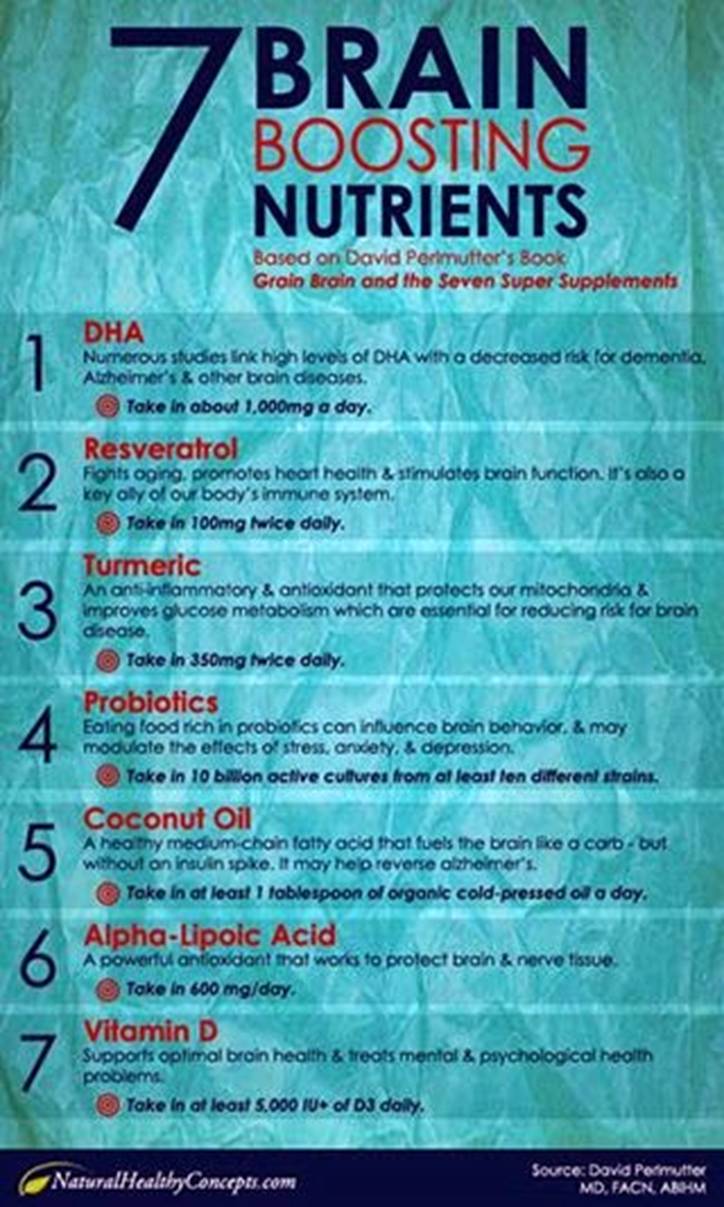
7 BRAIN BOOSTERS

Leave a comment


Leave a comment

NATURAL FIBER SOURCE

More fiber, better sugar management, less constipation and better digestion.


Leave a comment

ALCOHOL IS MORE DEADLY THAN OTHER ILLEGAL DRUGS

An authoritative 2010 study led by former UK drug czar David Nutt found alcohol to be the most dangerous drug in the country. The research rated 20 drugs based on 16 criteria: nine related to the harms that a drug produces in the individual and seven to the harms to others.

This chart from Nutt’s study showed the overall rankings:

The Lancet

Read more: http://www.businessinsider.com/another-look-at-why-alcohol-may-be-more-dangerous-than-heroin-2014-9#ixzz3DOPbdKr9

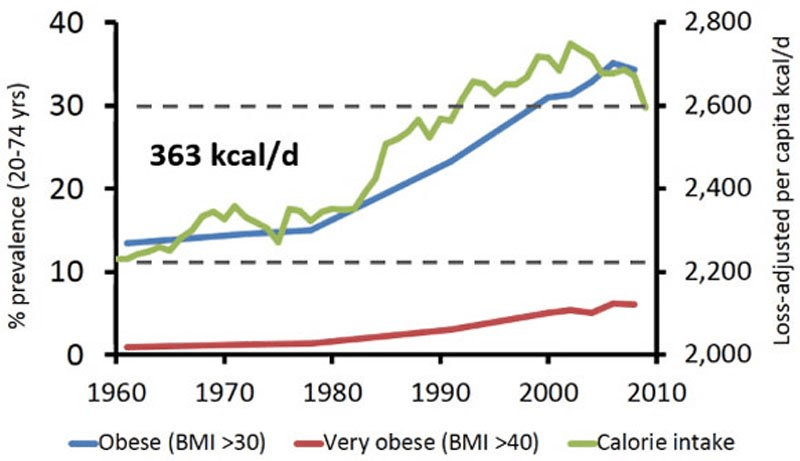
Obesity Driver – Increased Calorie Intake

Leave a comment


Leave a comment

FAST FOOD FUN FACTS

As of 2012, there were 263,944 fast food restaurants in America with a combined revenue of well over $100 billion.

A Gallup poll revealing that 8 in 10 Americans eat fast food at least monthly and half saying they eat it weekly.

But did you know what they serve up and how they manage food as a business?

1. MCDONALD’s is the world’s largest distributor of toys. Now you know why your kids are drawn to their joints. Incidentally they sell 75 burgers every second. And its daily customer traffic is larger than the entire population of UK.

McDonald’s hamburgers don’t really rot. The burgers have very low moisture content, which basically leaves the meat dehydrated.

A 30 oz. McDonald’s sweet tea has as much sugar in it as two Snickers bars.

The McNuggets is apparently a mixture created when the bones and carcass of a leftover chicken are mixed together in a food processor.

2. Did you know that Colonel Sanders was disgusted by KFC’s food after he left the company? He once described the food as “the worst fried chicken I’ve ever seen” and said the gravy was like “wallpaper paste.”

3. Taco Bell has attempted to open stores in Mexico two different times. Their food was labeled as “American Food.”

4. Subway is the largest restaurant chain in the world. There are more Subways in the world than McDonald’s. After receiving complaints that their “footlong” sub was only 11 inches long, Subway released a statement that said, “”With regards to the size of the bread and calling it a footlong, ‘Subway Footlong’ is a registered trademark as a descriptive name for the sub sold in Subway Restaurants and not intended to be a measurement of length.”

David DiSalvo, a writer at Forbes, decided to really look into the eggs in popular fast food breakfast sandwiches. What he discovered was that their “eggs” are really a strange concoction that includes eggs and “premium egg blend.” It also includes glycerin, a solvent found in soap and shaving cream, dimethylpolysiloxane, a silicone that can also be found in Silly Putty, and calcium silicate, a sealant used on roofs and concrete.

5. The large fries at Five Guy’s are the most unhealthy fries in America. They have nearly 1,500 calories and 71 grams of fat.

6. About two new Starbucks have opened every day since 1987.

7. Most fast food restaurants don’t list the exact ingredients in their lettuce but many places dust their salads with propylene glycol to keep the leaves crisp. While considered safe for consumption, propylene glycol can be found in antifreeze and sexual lubricants.

8. Despite the addition of some healthy kids’ meal options, less than 1% of all kids’ meal combinations met recommended nutrition standards. In 2012, fast food restaurants spent $4.6 billion in total on all advertising. In fact McDonald’s, spent 2.7 times as much to advertise its products as all fruit, vegetable, bottled water, and milk advertisers combined. In 2012, preschoolers saw 1,023 fast food ads — 2.8 per day. Fast food restaurants continues to target black and Hispanic youth, who face higher risk for obesity and related diseases.

Take action: check out http://www.fastfoodmarketing.org/

Source: Multiple including Huffington post.


Leave a comment

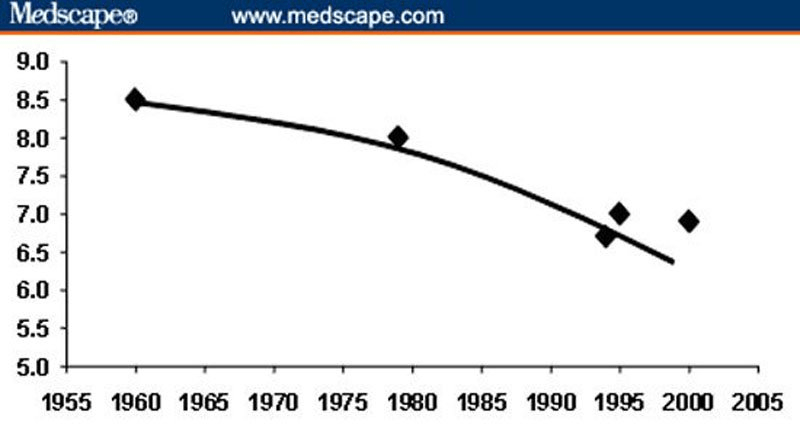
Obesity Driver – People Are Sleeping Less

Cauter EV, et al. The Impact of Sleep Deprivation on Hormones and Metabolism. Medscape, 2005.

Read more: http://authoritynutrition.com/12-graphs-that-show-why-people-get-fat/#ixzz3CNOGtEDt

HEALTHY EATING GROCERY LIST

Leave a comment


Leave a comment

FAD SUPERFOODS

FADS


Leave a comment

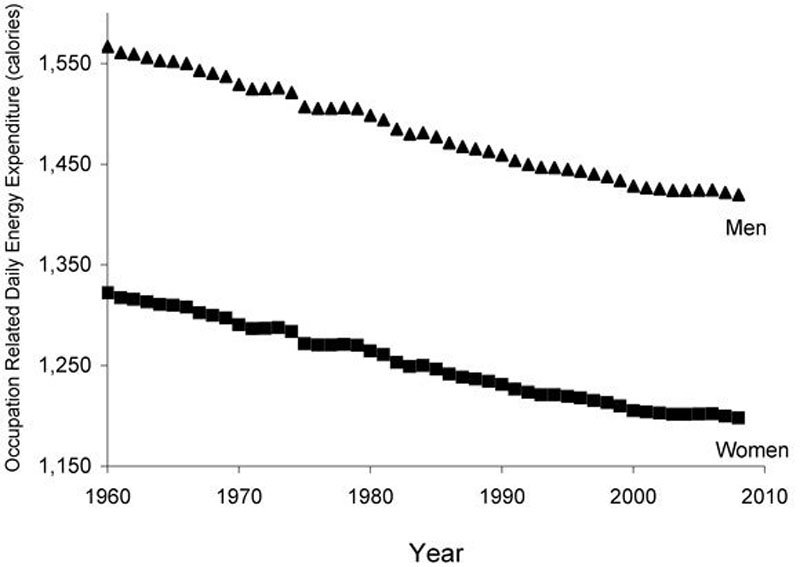
Obesity Driver – People Don’t Burn as Many Calories When Working

Church TS, et al. Trends over 5 Decades in U.S. Occupation-Related Physical Activity and Their Associations with Obesity. PLoS One, 2011.


Leave a comment

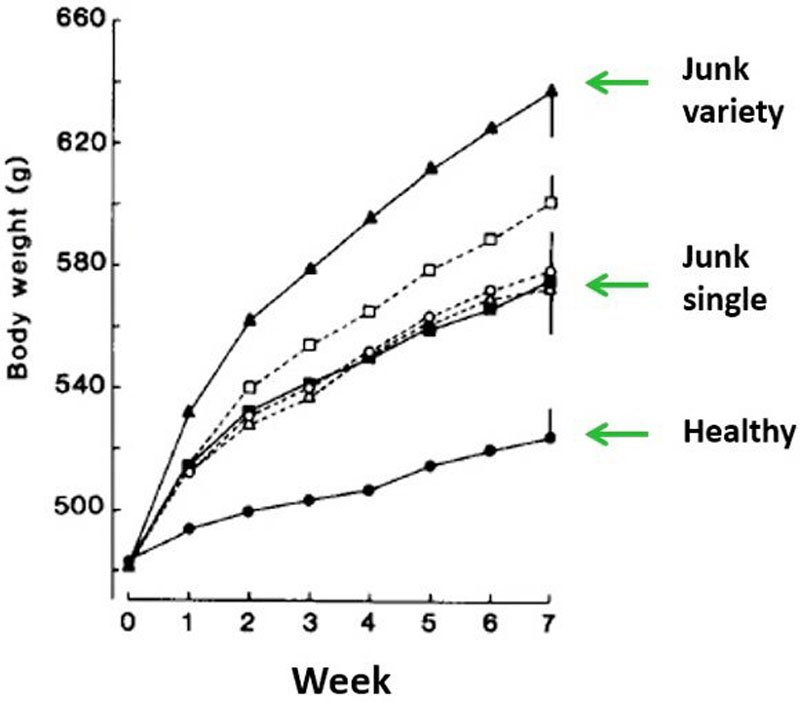
Obesity Driver – Increased Food Variety Contributes to Overeating and Weight Gain

Dr. Stephan Guyenet. Why do we Overeat? A Neurobiological Perspective. 2014.

Read more: http://authoritynutrition.com/12-graphs-that-show-why-people-get-fat/#ixzz3CNNTDLho

OBESITY DRIVER – People Are Drinking More Sugary Soda and Fruit Juices

Leave a comment


Leave a comment

ALARMING CHARTS ON WHY YOU ARE PUTTING ON POUNDS – II

The Obesity Epidemic Started When The Low-Fat Guidelines Were Published

National Center for Health Statistics (US). Health, United States, 2008: With Special Feature on the Health of Young Adults. 2009 Mar. Chartbook.

Read more: http://authoritynutrition.com/12-graphs-that-show-why-people-get-fat/#ixzz3CNMnTqSX


Leave a comment

ALARMING CHARTS ON WHY YOU ARE PUTTING ON POUNDS

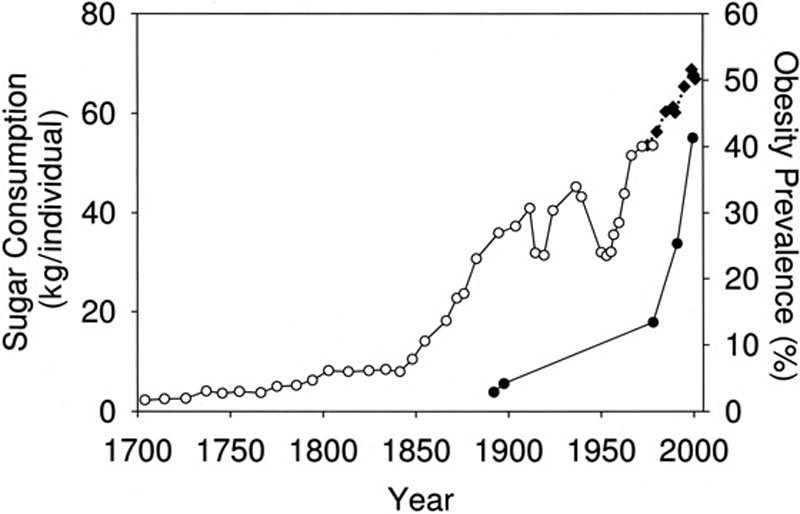
Sugar Consumption Has Skyrocketed

Johnson RJ, et al. Potential role of sugar (fructose) in the epidemic of hypertension, obesity and the metabolic syndrome, diabetes, kidney disease, and cardiovascular disease. The American Journal of Clinical Nutrition, 2007.


Leave a comment

MAKE IT FUN AND EVERYONE WILL EXERCISE


Leave a comment

A NEW TWIST ON “YOU ARE WHAT YOU EAT”

New research finds that what your baby eats during his first year of life can have a tremendous impact on his health all the way through first grade.

According to a series of new studies published by the American Academy of Pediatrics, it appears the benefits of breast-feeding last until at least age 6.

Babies who were breast-fed exclusively for at least six months were less likely to suffer from ear, throat and sinus infections at 6 years old.

Breast-feeding also appeared to offer protection against food allergies.

Experts say exposure to the taste of vegetables through breast milk might alter babies’ natural preference for sweet and salty foods, making them more likely to eat their veggies later on.

Source: AAP