A holistic approach to pediatric care in Frisco and Plano, Texas

Award winning, top rated Pediatrician serving Frisco, Plano, Allen and North Dallas


Leave a comment

WATCH YOUR THANKSGIVINUKKA DALLAS

According to Prevention Magazine, the following are America’s fattest cities.

These eight cities have the highest rate of obesity and heart disease in the nation.

1. Detroit, MI: CDC data show that the population has the highest rate of heart disease and 33% of them are obese.

2. Fort Wayne, IN: Rates of obesity and heart disease are through the roof in this midwestern city.

3. Lubbock, TX: 32% of Lubbock residents are obese.

4. New Orleans, LA: This southern city is no stranger to deep fried foods and generous portions.

5. Dallas, TX: Dallas residents consume fast food an average of 20.7 times per month, according to restaurant industry consultants Sandelman and Associates.

6. Baton Rouge, LA: This city serves up hearty dishes that contain plenty on unhealthy fats.

7. Tulsa, OK: Tulsa is a car dependent city with residents choosing to drive rather than to walk to most places.

8. Louisville, KY: The Daily Beast/ Newsweek reports that Louisville contains more McDonald’s outposts per capita (39) than any city in the country.


Leave a comment

WHAT SHOULD MY CHILD EAT?

From the latest in Harvard food science…

From http://www.hsph.harvard.edu/nutritionsource/pyramid/ Five quick tips:

1. Stay active. A healthy diet is built on a base of regular physical activity, which keeps calories in balance and weight in check.

2. Go with plants. Eating a plant-based diet is healthiest. Make half your plate vegetables and fruits. Cook with healthy plant oils, like olive and canola oil. Get most or all of your protein from beans, nuts and seeds, or tofu.

3. Pick healthy protein sources like fish and beans, not burgers and hot dogs. Eating fish, chicken, beans, or nuts in place of red meat and processed meat can lower the risk of heart disease and diabetes. So limit red meat—beef, pork, or lamb—to twice a week or less. Avoid processed meat—bacon, cold cuts, hot dogs, and the like—since it strongly raises the risk of heart disease, diabetes, and colon cancer.

4. Make your grains whole grains. Grains are not essential for good health. What’s essential is to make any grains you eat whole grains, since these have a gentler effect on blood sugar and insulin. Over time, eating whole grains (brown rice, whole wheat bread, whole grain pasta) in place of refined grains (white rice, white bread, white pasta) makes it easier to control weight and lowers the risk of heart disease and diabetes.

5. Drink water, coffee, or tea—not sugary beverages—and drink alcohol in moderation, if at all. What you drink is as important to your health as what you eat. Water is the best choice, and coffee and tea also have health benefits. Sugary drinks are the worst choice, because they add empty calories, leading to weight gain, in addition to raising the risk of diabetes and heart disease. Limit milk and dairy to one to two servings per day, since high dairy intake can increase the risk of some diseases, and go easy on juice, since it is high in sugar.

HOW TO STORE FRESH FRUITS AND VEGETABLES

Leave a comment


1 Comment

DANGEROUS HARMONE AFFECTING CHEMICALS IN OUR KID’S DIET

Environmental Working Group, an environmental health advocacy organization has released a list of 12 of the worst hormone-disrupting chemicals. These chemicals affects, mimics or interfere with the actions of hormones in the human body.

· Bisphenol A (BPA): Found commonly in plastics. Health problems include obesity, early puberty and miscarriage.

· Dioxin: Found in animal fatty tissue. It is linked to lower sperm count and other reproductive system effects. Chronic exposure to dioxins has been linked to immunological problems and cancer.

· Atrazine: Could cause tumors, delayed puberty and prostate inflammation.

· Phthalates: found in detergents, plastic clothes, raincoats and personal care products, such as soaps, shampoos and nail polishes. Can affect the human reproductive system.

· Perchlorate: found in many produce and milk products. Affects the ability of the thyroid gland to make hormones.

· Polybrominated diphenyl ethers (PBDEs) or Fire retardants: disrupt thyroid activity, and lowers IQ.

· Lead: linked to brain damage, lower IQ, hearing loss and nervous system problems and lowers sex hormone level.

· Perfluorinated chemicals (PFCs): found in no-stick cookware. linked to lower sperm quality, low birth weight and thyroid disease.

· Mercury: primarily found in fishes and seafood. Interferes with fetal brain development, woman’s ovulation, and can damage insulin producing cells in the pancreas.

· Arsenic: Enters through pesticides. Increases risks of bladder, lung and skin cancers.

· Organophosphate Pesticides: Affects brain development, behavior, fertility, and testosterone levels.

· Glycol ethers: Used as solvents in paints and cleaning products; lowers sperm count, aggravates asthma and allergies in children

WHAT DO YOU DO?

· Buying organic produce.

· Avoid meat and seafood – which tend to accumulate these chemicals. Eat more vegetables and fruits.

· If you have to, consume only low mercury fishes.

· Use a filter (like reverse osmosis) for drinking water.

· Avoid food contact with Plastics. Use ceramic, glass or stainless steel instead.

· avoid plastic food containers and plastic wrap made from PVC

· Avoid Personal care products that list “fragrance” as an ingredient

· Consume enough iodine in the diet to reduce the effects of Perchlorate

· Avoid products with the ingredients 2-butoxyethanol (EGBE) and methoxydiglycol (DEGME)

Source: http://www.ewg.org/, Livescience, Other

HOW TO EAT THE RIGHT STUFF

Leave a comment


Leave a comment

Newsflash: “Avoid Acrylamide”, FDA. Say what?

WARNING FROM FDA:

Another day and another BIG warning from the FDA.

Avoid Acrylamide.

Apparently multiple studies now confirms that Arcylamide causes cancer in animals.

Last week, the FDA said it was on the path to banning trans fats in foods.

WHAT IS THIS ACRYLAMIDE?

Acrylamide is found in such staples as potatoes, cereals, coffee, crackers or breads, dried fruits and many other foods, according to the FDA.

It is generated during the cooking process when items are fried, overcooked, or burned. The compound is created when sugar and amino acid called asparagine combine during high-temperature cooking or heating for extended lengths of time.

SO WHAT DO YOU DO?

Here are a few tips on how to reduce consumption of Acrylamide from the FDA and Cancer.gov

· Acrylamide is typically found in plant-based foods cooked with high heat (e.g., frying, roasting, and baking), not raw plant-based foods or foods cooked by steaming or boiling.

· Avoid frying or otherwise burning or charring foods. Fry foods as little as possible. Follow manufacturers’ recommendations on time and temperature and avoid overcooking, heavy crisping or burning.

· Boiling, steaming, and microwaving appear to generate less Arylamide.

· According to Cancer.gov, 248°F (120°C) seems to be the magic temperature, above which more acrylamide forms. On the contrary, foods heated to below 248°F or less do not seem to contain the chemical.

· Don’t eat burnt toast, since the darker the toast, the more acrylamide has formed. “Toast bread to a light brown color rather than a dark brown color. Avoid very brown areas,” advises the FDA.

· Soak potato slices in water for 15-30 minutes before cooking to reduce the amount of acrylamide it forms.

· Do not brown potatoes. “Brown areas tend to contain more acrylamide,” says the FDA.

· Potato chips and French fries contain the highest levels, according to Cancer.gov.

· Some foods are larger sources of acrylamide in the diet, including certain potato products (especially French fries and potato chips), coffee, and foods made of grains (such as breakfast cereal, cookies, and toast). These foods are all part of a regular diet. However, if you want to lower acrylamide intake, reducing consumption of these foods is one way to do so, keeping in mind that it’s best to limit intake of foods that are high in saturated fats, trans fats, cholesterol, salt (sodium), and added sugars. FDA does not recommend reducing intake of healthful grain products (e.g., whole grain cereals) that are a good source of whole grains and fiber.

FOODS WITH HIGH LEVELS OF ACRYLAMIDE: Check here

Source: Forbes, FDA, WHO


Leave a comment

NUTRITIONAL HUMOR

Up to 70 percent of processed food in the American market contains products of genetic engineering, including soft drinks, catsup, potato chips, cookies, ice cream and corn flakes. Something to think about the next time you stroll down the grocery aisle.

SOFT DRINK VS WATER – YOU DECIDE

Leave a comment


Leave a comment

LESS PROCESSED FOOD, MORE HEALTHIER BABY

STUDY: Babies who ate more fruits and vegetables and fewer packaged foods were less likely to develop food allergies

DETAILS: University of Southampton in the UK did a study on over 1140 babies. They found that babies without food allergies scored higher than babies with allergies on a diet that was rich in healthy, often homemade, foods – including fruits, vegetables, poultry and fish – and scant on processed foods such as pre-made meals, potato chips, cook-in sauces and bacon. The analysis showed that the infants who were having more fruits and vegetables and less commercially produced baby foods and also less adult foods were the ones who were less likely to develop an allergy by the time they were two. It’s not that they didn’t have commercially-made baby foods, it’s just that they did not have them predominantly in their diet.

TAKEAWAYS:

· We recommend that parents gives their kids primarily fresh fruits and vegetables.

· Avoid junk foods.

· Try to serve home-made meals

Source: The Journal of Allergy and Clinical Immunology

GMO CORN – BE AWARE

Leave a comment

This gallery contains 2 photos


Leave a comment

ANOTHER STUDY: OBESE KIDS MORE LIKELY TO GET ASTHMA

STUDY: Children with recurrent cough, wheezing, chest tightness or shortness of breath may have one or more forms of asthma. Overweight and obese kids are more likely to struggle with asthma than kids of normal weight

DETAILS: Researchers examined electronic health records maintained by Kaiser Permanente for 623,358 children and classified them from normal weight to extremely obese based on their height and weight. Researchers found that children carrying extra weight are between 1.16 to 1.37 times more likely to develop asthma than normal-weight kids. The link between asthma and obesity was particularly pronounced among moderately and extremely obese girls between 6 and 10 years old, who had between 1.36 and 1.56 times higher risk of asthma than normal-weight girls their age. Moderately and extremely obese Asian-Pacific Islander children also were inordinately affected, running between 1.41 and 1.67 times higher risk of asthma

SO WHAT?

Asthma is the most common chronic childhood illness in the United States, affecting one of every 10th kid. Fat is a huge reservoir of toxins. Toxins can of course cause inflammation. Inflammation caused by body fat is suspected to be one factor in the kids’ increased risk of asthma. The extra pounds also might affect the severity of asthma by placing additional weight on a child’s chest

FAQ on Asthma
1. Many babies who wheeze with viral respiratory illnesses will stop wheezing as they grow older. If your child has atopic dermatitis (eczema), allergies or if there is smoking in the home or a strong family history of allergies or asthma, there is a greater chance that asthma symptoms will persist.

2. Can asthma be cured? Not yet. However, for most children and adults, asthma can be controlled throughout life with appropriate diagnosis, education and treatment.

3. Should my child exercise?Once a child’s asthma is controlled, (usually with the help of proper medications) exercise should become part of his or her daily activities. Children with asthma certainly can and do excel in athletics. Many Olympic athletes have asthma.

TAKEAWAY

Families should monitor overweight and obese children closely for signs of asthma.

Source: AAAAI, HealthDay

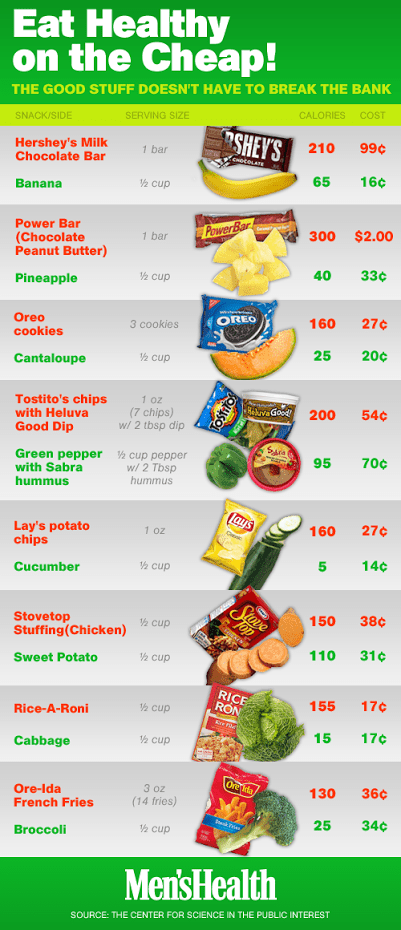
EATING CHEAP AND HEALTHY

Leave a comment


1 Comment

SUGARY DRINKS – POUNDING YOUR YOUNG

STUDY: Preschool children who regularly have sugary drinks tend to pack on more pounds than other youngsters.

DETAILS: Journal Pediatrics

Researchers found that among the 2- to 5-year-olds they followed, those who routinely had sugar-sweetened drinks at age 5 were 43% more likely to be obese than their peers who rarely had those drinks.

Sugar-sweetened beverages are the largest source of added sugars in the diet of U.S. youth.

Childhood obesity has more than tripled in the past 30 years.

Obesity among children aged 6 to 11 years increased from 6.5% in 1980 to 19.6% in 2008.

Among adolescents aged 12 to 19 years, obesity increased from 5.0% to 18.1%

What Can You Do

Plenty of factors influence childhood obesity, including genes, overall diet and physical activity.

Although the study cannot prove it’s the beverages causing the added weight, experts said parents should opt for water and milk to quench preschoolers’ thirst.

U.S. kids would slash 235 daily calories from their diets if they swapped sugary drinks or 100 percent fruit juice for water.

Kids should

· Reduce their consumption of regular soda or pop, sports drinks, and other sugar-sweetened beverages.

· Increase their consumption of water and low-fat or fat-free milk.

· Drink limited amounts of 100% fruit juices.

Source: http://www.cdc.gov/features/healthybeverages/, Pediatrics Journal

DEALING WITH OBESITY – A NEW QUESTION FOR YOU

Leave a comment


Leave a comment

RETHINK YOUR CHILD’S HALLOWEEN CANDY

Do you realize what the Halloween candy that you child brings contain?

Read the ingredients and if you find any of these, think twice before you let them gobble.

1. Vanillin – Vanillin is a phenolic aldehyde. You’ll find this ingredient in most cheap chocolate candy. Most synthetic vanillin is today synthesized from the petrochemical precursors guaiacol and glyoxylic acid. Vanillin can trigger allergic reactions and migraine headaches in some people.

2. Soy lecithin – this is an emulsifier to bind fat and water together. Thanks to the FDA and Monsanto, soybeans grown in the U.S. are almost exclusively genetically modified. If you are religious Soy-derived lecithin is prohibited on Passover for Ashkenazi Jews.

3. Shellac – Also known as “confectioner’s glaze”. Shellac is a resin secreted by the female lac bug. It is used in combination with wax for preserving and imparting a shine to citrus fruits, such as Lemons. It is also used in denture production.

4. Carmine – This gives the bright red color to candies. It is made of powdered cochineal (insect) corpses. Carmine may cause severe allergic reactions and anaphylactic shock to a subset of people.

5. Castoreum – is generally listed as “natural flavors”. Castoreum is the yellowish secretion of the castor sac which is, in combination with the beaver’s urine, used during scent marking of territory. Castoreum has been traditionally used in Scandinavia for flavoring snaps.

6. Tertiary Butylhydroquinone (TBHQ) – This lab creation is an antioxidant and used in preserving Reese’s Peanut Butter Cups. At higher doses, it has some negative health effects on lab animals, such as producing precursors to stomach tumors and damage to DNA

7. Mono- and Diglycerides – They are often found in bakery products, beverages, ice cream, peanut butter, chewing gum, shortening, whipped toppings, margarine, confections, and candies (like Twizzlers). These are synthetic fats derived from cows or hogs, or partially hydrogenated vegetable oils.

8. Lanolin – Often called “gum base” and used as base for chewing gum. lanolin is a yellow waxy substance secreted by the sebaceous glands of wool-bearing animals.

9. Allura Red, Food Red 17, C.I. 16035, FD&C Red 40 & Related dyes include Sunset Yellow FCF, Scarlet GN, tartrazine, and Orange B – This food dye is made from coal tar or petroleum and is found in a lot of candies like Jolly Ranchers, Starburst, Dum Dums, Tootsie pops. The following additives were tested in the research:

· Sunset yellow (E110) (FD&C Yellow #6) — coloring found in soft drinks

· Carmoisine (E122) (FD&C Red #3) — red coloring in gelatin foods

· Tartrazine (E102) (FD&C Yellow #5) — yellow coloring

· Ponceau 4R (E124) — red coloring

· Sodium benzoate (E211) — preservative

· Quinoline Yellow WS (E104) (Food Yellow 13) — food coloring

· Allura red AC (E129) (FD&C Red #40) — orange / red food dye[6]

The study found increased levels of hyperactivity and attention deficit hyperactivity disorder in children consuming the chemicals.

10. Gelatin – Used as a gelling agent in food, pharmaceuticals, photography, and cosmetic manufacturing. Gelatin is derived from pork skins, pork, horses, and cattle bones, or split cattle hides and used in yogurts and Jello. Gelatin is also used in nail polish remover and makeup applications. Vegans and strict vegetarians choose not to eat foods containing gelatin made from animals. Islam, Hindus and Jains forbids consumption of pork and thus gelatin

11. Sorbitol Sorbitol is a sugar substitute. Sorbitol can be used as a non-stimulant laxative via an oral suspension or enema. Even mild oversumption of this sugar alcohol causes diarrhea. Sorbitol also may aggravate irritable bowel syndrome,and similar gastrointestinal conditions, resulting in severe abdominal pain for those affected, even from small amounts ingested. It has been noted that the sorbitol added to SPS (Sodium Polystyrene Sulfonate, used in the treatment of hyperkalemia) can cause complications in the GI tract, including bleeding, perforated colonic ulcers, ischemic colitis and colonic necrosis, particularly in patients with uremia.

12. Sugar is a cancer-feeder. By cutting off sugar it cuts off one important food supply to the cancer cells. Sugar substitutes like NutraSweet, Equal,Spoonful, etc are made with Aspartame and it is harmful. A better natural substitute would be Manuka honey or molasses but only in very small amounts.

13. Benzoic Acid – Used in low sugar products. It can temporarily inhibit digestion and deplete glycine levels.

14. BVO – brominated vegetable oil. The toxic flame retardant chemical was first used to keep plastics from catching on fire. In the last decade we have seen it enter in a variety of foods to keep the artificial flavoring chemicals from separating from the rest of the liquids. It is found in certain sodas, juices, and sports drinks, including Mountain Dew, Fanta Orange, Sunkist Pineapple, and some Powerade flavors. (Gatorade announced it would remove the compound from its drinks in Spring 2013.) Scientists have linked too much BVO to bromide poisoning symptoms like skin lesions, memory loss, and nerve disorders.

15. Titanium dioxide: This was primarily used to make food look much whiter and thus convey a feeling of “clean”. Commonly used in paints and sunscreens, food companies add it to lots of things we eat, including processed salad dressing, coffee creamers, and icing. Titanium is a mined substance that is sometimes contaminated with toxic lead.

Also read:

1. DANGERS OF FOOD COLOR ADDITIVES http://txnaturalpediatrics.com/2013/08/12/dangers-of-food-color-additives/

2. Chemicals to Avoid: http://txnaturalpediatrics.com/resources/parenting/chemicals-to-avoid/

Source: Multiple including Wikipedia,


Leave a comment

WHY ARE OUR KID’S OBESE? COMPARE THEIR SCHOOL LUNCH

Look at the pictures below and see for yourself:

a) How many servings of fruits, nuts, grains or vegetables do you see?

b) How many of these are processed food?

c) How many of these are freshly made?

d) How many of the food that US kid’s eat is loaded with sugar?

No wonder we lead the world in childhood OBESITY and most Kid’s related ailments.

Takeaway:

Pack your kid’s lunch at home and save their lives.

USA School Lunch

Compare to:

Brazil School lunch

Taiwan School Lunch

Singapore School lunch

France School Lunch

DATED ADS – MAKES ME LAUGH AND CRY (4)

Leave a comment

SUGAR KILLS – BET YOU WILL BE ALARMED AFTER YOU WATCH THIS GRAPHICS

Leave a comment


Leave a comment

DIABETES MAY BE PREVENTABLE THROUGH LIFESTYLE CHANGES

Improve your lifestyle to prevent Diabetes

Improving your lifestyle is equally important in treatment of type 2 diabetes. Some lifestyle changes which reduces risk of diabetes

· Avoid smoking

· Do exercise regularly

· Do not skip meals

· Prefer whole food instead of refined food

· Enjoy adequate sleep

· Avoid sugary drinks

· Spread meals throughout the day

· Manage body weight

· Do yoga – here is list of some good yoga for diabetes


For Adults

· Avoid alcohol

· Learn and practice meditation for emotional and mental balance

WHY ARE THESE COMPANIES SO WORRIED ABOUT LABELING SOMETHING NON-GMO?

Leave a comment


Leave a comment

GLUTEN FREE LIVING

Gluten is a composite of starch and proteins found in certain grassy grains like wheat, barley and rye.

The federal Food and Drug agency set a gluten limit of 20 parts per million in products labeled gluten free. It was similar to the level adopted in recent years by the European Union and Canada. The F.D.A. first proposed the 20 parts per million standard in 2007, and companies have used that limit as a guide for their products even before the new rule was published.

When eaten by people with celiac disease, gluten can trigger the production of antibodies that damage the lining of the small intestine.

Switching to a gluten-free diet is a big change and, like anything new, it takes some getting used to. Many specialty grocery stores sell gluten-free foods.

EMPOWERING CHILDREN FOR GLUTEN FREE DIET

• Start reading labels early. Show children the word “wheat” on labels to help them recognize the word even before they can read. This helps to place the “blame” for not being able to eat a food item on the label rather than on the parent.

• Involve the Child in Meal Planning and Preparation: Children should be encouraged to participate in meal planning, purchasing groceries and preparation of meals. Young children can select produce at the grocery store, set the table, and help wash vegetables or fruits. Older children can help choose the menu, select grocery items, and make all or part of a meal by reading recipes and ingredient lists.

• Role play: Practicing what a child will say to an adult when offered a questionable food is important. Most parents teach their children to be polite and respectful to other adults and those in authority such as a teacher or parent volunteer. Saying “no” to such an adult will be difficult for a child if they do not know what to say.

• Identify “look-a-like” foods: It is very common for families to find “look-a-like” foods for the child. While this helps the child feel less isolated when eating with friends, or at parties, it is important to help

• the child understand that their foods are different. By understanding that their “look-a-like” food is not the same as regular foods (i.e., cupcakes), the child is better able to make safe choices when the parent is not available to help. For example, Mom may make “Rice Krispies Treats®” at home with a gluten-free rice cereal.

• Parents can set an example by maintaining a positive attitude. Even very young children look to their parents for emotional cues and strategies for handling stressful events.

WHAT TO EAT?

Gluten Free foods:

• unprocessed Beans, seeds, nuts in their natural form

• Fresh eggs

• Fresh meats, fish and poultry (not breaded, batter-coated or marinated)

• Fruits and vegetables

• Most dairy products

It’s important to make sure that they are not processed or mixed with gluten-containing grains, additives or preservatives.

Gluten-free GRAINS:

• Amaranth

• Arrowroot

• Buckwheat

• Corn and cornmeal

• Flax

• Gluten-free flours (rice, soy, corn, potato, bean)

• Hominy (corn)

• Millet

• Quinoa

• Rice

• Sorghum

• Soy

• Tapioca

• Teff

WHAT TO AVOID?:

Avoid all food and drinks containing:

• Barley (malt, malt flavoring and malt vinegar are usually made from barley)

• Rye

• Triticale (a cross between wheat and rye)

• Any type of Wheat including…

• Bulgur

• Durum flour

• Farina

• Graham flour

• Kamut

• Semolina

• Spelt

Avoid unless labeled ‘gluten-free’

In general, avoid the following foods unless they’re labeled as gluten-free or made with corn, rice, soy or other gluten-free grain:

• Breads

• Cakes and pies

• Candies

• Cereals

• Cookies and crackers

• Croutons

• French fries

• Gravies

• Imitation meat or seafood

• Matzo

• Oats

• Pastas

• Processed luncheon meats

• Salad dressings

• Sauces, including soy sauce

• Seasoned rice mixes

• Seasoned snack foods, such as potato and tortilla chips

• Self-basting poultry

• Soups and soup bases

• Vegetables in sauce

You should also be alert for other products that you eat or that could come in contact with your mouth that may contain gluten. These include:

• Food additives, such as malt flavoring, modified food starch and others

• Medications and vitamins that use gluten as a binding agent

• Play dough

RESOURCES:

• Childrens Digestive Health and Nutrition Foundation: www.celiachealth.org

• A Child’s Guide to Dealing with Celiac Disease: www.celiaccenter.org

• R.O.C.K Raising Our Celiac Kids Web site: www.celiackids.com

• Celiac Disease Foundation: www.gluten.org

• Kids Baking Club: www.glutenfreecookingclub.com

Source: Multiple including Mayo Clinic


Leave a comment

SPROUTS – A VERY HEALTHY OPTION

Beans and grains are a time-honored way to get plenty of protein with low fat, high fiber and no cholesterol. Sprouts: Alfalfa, Mung Bean, and Bean Mix, are beans that have been sprouted and are a wonderful option for a variety of vegetarian meals.

A sprout is produced when a seed starts growing into a vegetable. Sprouts vary in texture and taste. Some are spicy (radish and onion sprouts), some are hardy and are often used in oriental food (mung bean), others are more delicate (alfalfa) and are used in salads and sandwiches to add texture and moistness.

Sprouts are fresh when their roots are moist and white and the sprout itself is crisp.

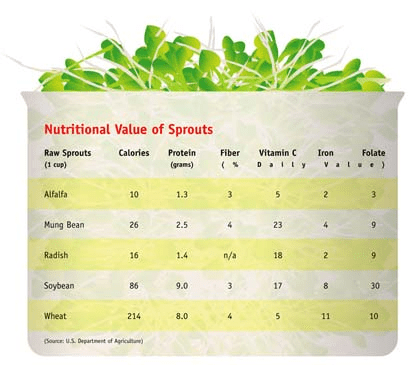
NUTRITION IN SPROUTS

HEALTH BENEFIT OF SPROUTS

1. Sprouts and Disease prevention

2. Health Benefit of Sprouts

HOW TO MAKE YOUR OWN SPROUTS

Simple. Soak it in water. Store in the vegetable crisper of the refrigerator and use sprouts as soon as possible. Rinsing daily under cold water can extend their life. Mung beansprouts can be frozen if they are to be used in cooking. They stay good frozen in their bag for several months.

Want SPROUT RECIPES: Check out this.

Source: Multiple including International Sprouts Association


Leave a comment

UNHAPPY MEAL

[tag: mcdonald’s, fast food, burger, food]


Leave a comment

NEWS ALERT: Antibiotics-resistant salmonella in CHICKEN

The USDA issued a health alert Monday warning consumers to avoid raw chicken from the three facilities after they detected strains of Salmonella Heidelberg, a strain that has been linked to human illness.

CDC, Centers for Disease Control and Prevention also said that people in 18 states had become ill after eating Foster Farms poultry and 42 percent of the sick people were hospitalized. (This is a very high rate)

Salmonella does not trigger an automatic recall like some forms of E. coli because it’s not deemed an adulterant. Unfortunately, the USDA considers salmonella a naturally occurring bacteria that can be mitigated with proper cooking and handling (which does not happen in many cases). The bacteria grows in animals’ intestinal tracts and is spread through feces. It can contaminate a chicken farm through water, feed, birds and rodents. When infected chicken waste dries, salmonella can spread through dust. For years the poultry industry has used antibiotics to promote faster growth in animals. But the trend has alarmed food-safety advocates, who worry that overuse is leading to human resistance to certain types of these drugs.

Some members of the population — toddlers, elderly, people with immune systems weakened by various medical treatments — are more vulnerable than others. Children are the most likely to get salmonellosis.

What causes salmonellosis?

You can get salmonellosis by eating food contaminated with salmonella. This can happen in the following ways:

· Food may be contaminated during food processing or handling.

· Food may become contaminated by the unwashed hands of an infected food handler especially after using the bathroom.

What are the symptoms?

Symptoms of salmonellosis include diarrhea, fever, and abdominal cramps. They develop 12 to 72 hours after infection, and the illness usually lasts 4 to 7 days. Diarrhea and dehydration may be so severe that it is requires hospitilization. The only way to confirm it is via a stool culture and blood tests.

What can you do?

Avoid meat if you can. Do not eat raw or undercooked eggs.

If not, the chicken in question can be identified in supermarkets with USDA marks of inspection P6137, P6137A or P7632.

Cook chicken to at least 165 degrees Fahrenheit to kill the salmonella.

Frequently hand wash and the use of separate cutting boards for meat and poultry. Avoid cross-contamination of food. Keep uncooked meats separate from produce, cooked foods, and ready-to-eat foods. Thoroughly wash hands, cutting boards, counters, knives, and other utensils after handling uncooked foods.

Do not prepare food or pour water for others when you have salmonellosis.

To Learn more read: http://www.cdc.gov/salmonella/general/index.html

Source: multiple including CDC, seattletimes, Webmd,