A holistic approach to pediatric care in Frisco and Plano, Texas

Award winning, top rated Pediatrician serving Frisco, Plano, Allen and North Dallas


Leave a comment

HOW THEY ENGINEER FOOD TO TRICK YOU

Food is big business. And the companies producing them are producing ENGINEERED PRODUCTS not food.

Consequently, like any good marketer, they know how to TRICK you in believing that their products are healthy and wholesome.

They are masters at packaging and promoting that MAKES YOU buy.

If you aren’t careful of how and what you eat, you are treated like a cattle led to be slaughtered.

Why do I use such strong words?

For starters, read the recent AP story on how companies are fighting to make their foods appear more natural. (Read http://bigstory.ap.org/article/food-companies-work-make-it-look-natural)

Food companies are responding to the adage that people eat with their eyes. So instead of making the food truly natural, they have taken to packaging and marketing that tricks us to believe that they are natural. Realizing that Americans are turning their noses up at foods that look overly processed they are intentionally designing food products to look uneven and made by hand or by nature.

See examples below:

· Domino’s asks workers not to make the rectangles on its "artisan" pizzas too perfect.

· McDonald’s makes the Egg White Delight sandwich’s egg look jagged and irregular. McDonald’s has four distinct shapes for its Chicken McNuggets. The bone, ball, bell, and boot shapes make consumers feel like they’re not eating homogeneous product.

· Kraft Foods worked hard to make the turkey from its "carving board" line look uneven. And Kraft Foods took more than two years to develop a process to make the thick, uneven slabs of turkey in its Carving Board line look like leftovers from a homemade meal rather than the cookie-cutter ovals typical of most lunchmeat.

· Wendy’s softened the edges of its hamburger patties to make them seem less processed.

· Hillshire Farm added caramel coloring to the edges of its turkey lunchmeat. The coloring was supposed to "give the impression that it was just sliced from a Thanksgiving roast.

· Many burger patties arrive at fast food restaurants with the grill marks already charred on.

Second, if you are interested, read the book from Michele Simon, a public health lawyer and author of "Appetite for Profit: How the Food Industry Undermines Our Health and How to Fight Back."

Third: Your money is pouring into these players. Over the past five years, the overall packaged food industry in North America grew 14 percent to $392.5 billion and the fast-food industry meanwhile rose 13 percent to $225.6 billion. (Euromonitor International)

WHAT DO YOU DO?

Do Something about it. Don’t sit still.

Avoid processed food as much as possible.

Eat more food from plants rather than food made in a plant.

Leave a comment

12 STEPS TO PREVENT DIABETES

Diabetes is a serious disease and the number of people affected with it has skyrocketed in the last couple of years. Here are few tips to help lower your chances of getting diabetes.

· Reduce your portion size

· Get physically active

· Add lots of whole grain in your diet

· Breakfast is the most important meal of the day. Don’t Skip.

· Avoid fatty foods and Sugary drinks

· Eat many veggies & Load up on Fiber

· Add Soy and Green tea to diet

· Try to lower stress level & Sleep well

· Drink a lot of water

· Soak in the sun

· Avoid diabetes with spices
According to a German research, adding spices to your diet especially cinnamon helps to activate the enzymes in your body, which helps to stimulate insulin receptor. Besides, it also helps to lower down cholesterol and reduces the risk of developing cholesterol.

· Pure cocoa help diabetes

· 15-min walk after meals cuts diabetes risk


Leave a comment

SIX SALTY FOODS TO LIMIT (FROM AMERICAN HEART ASSOCIATION)

STUDY KEY FINDINGS

The American Heart Association has revealed six common foods that are major sources of salt in our diets. US dietary guidelines

advises people to take no more than 2,300 milligrams of sodium each day, while AHA urges an even lower amount, 1,500 milligrams. However, a recent survey from AHA found that most Americans average about 3,400 milligrams each day, mostly from processed and restaurant foods. That could potentially raise blood pressure, thus increasing risk for stroke and heart disease, the Centers for Disease Control and Prevention said.

1. Bread and rolls – One piece of bread can have as much as 230 mg of sodium that adds up quickly if bread consumed at every meal.

2. Old cuts and cured meats – Cured meats have lot of sodium, and a serving of deli or pre-packaged turkey can have as much as 1,050 mg of sodium.

3. Pizza – One slice can have up to 760 mg of sodium.

4. Poultry – Frozen breaded chicken nuggets contain about 600 mg of salt, while even packaged raw chicken often contains added sodium.

5. Soup – A bowl of soup warms contains around 940 mg of sodium.

6. Sandwiches- Combining breads with cured meats and cheeses ups the sodium level in a sandwich, especially if salt-heavy condiments like mustard and ketchup are added.


Leave a comment

TOO MUCH RED MEAT LEADS TO DIABETES

STUDY FINDINGS

Increasing red meat intake during a four-year interval was associated with an elevated risk of T2DM during the subsequent four years.

DETAILS: (from prestigious JAMA Internal Medicine)

The National University of Singapore analyzed data from three Harvard group studies and followed up 26,357 men in the Health Professionals Follow-up Study; 48,709 women in the Nurses’ Health Study; and 74,077 women in the Nurses” Health Study II.

During more than 1.9 million person-years of follow-up, researchers documented 7,540 incident cases of T2DM.

KEY TAKEAWAY

The results indicate that compared with a group with no change in red meat intake, increasing red meat intake of more than 0.50 servings per day was associated with a 48 percent elevated risk in the subsequent four-year period.

Eat more grains, fruits and vegetables. Limit Meat intake.


Leave a comment

HEALTHY EATING HABITS

If bad eating habits reign, they can be hard to change especially when they’ve become comfortable routines. But it can be changed.

Don’t Ban Any Food Outright

Once kids get their first taste of crunchy, sweet or salty foods, it’s hard to get them unhooked. Start by setting limits. Expalin to the child why you are trying to limit the food so that they don’t gorge on it when away from home. And above all, don’t use food as a reward or punishment.

Let them be masters of their decision

Look over your child’s school lunch options and discuss what choices they could make during lunch. Better yet, send home cooked meal. It is better on health and your wallet. To encourage them to not blow their pocket change on sugary or salty treats, give them plenty of healthy snacks, such as apples, nuts, cheese or fruits to bring to school.

Avoid Buying Unhealthy Foods in Bulk

If you have to buy junk food, buy the smallest possible package of that food. And store any bulk-size snack foods out of kids’ sight and reach. It is unreasonable for a kid to make diet change when adults indulge on junk food. Healthy eating demands a complete change in the diet of all individuals. If you don’t buy junk, they won’t indulge in it.

Warn Kids About Juice and liquid calories

Make tweens and teens aware of how many empty calories are in their favorite unhealthy drinks , and advise them to choose water instead. Give your toddler plenty of water and plain milk to avoid getting them used to sugary juice or chocolate milk. If you do give them juice, give them 100 percent fruit juice and water it down, mixing equal parts water and juice.

Promote Fruits and Veggies at Dinner

Entice your picky eater to try a healthy, vegetable-rich dish, let them watch you prepare it and allow them to add in some ingredients themselves under your supervision. Give it a name like Tim’s Tacos.

Be a Role model

Take advantage of the monkey-see, monkey-do behavior and make healthy eating choices in front of them. Eat snacks and meals with your child whenever possible. Always try something new.

Use Small Portions

Use smaller plates , bowls and utensils for your child to eat with, and allow them to serve themselves when they are old enough to safely do so. This will make them feel "like a grown-up," while helping them learn to measure out how much they want to eat and understand portion size. Encourage them to take one serving at a time and go back for seconds only if they are still hungry.

Help Them Recognize When They’ve Eaten Enough

Remind your children to stop eating once they begin to feel full. Tell them that it’s best to only eat as much as they want at that time, and that the leftovers can be finished later when they become hungry again.

Stick to a Strict Meal and Snack Schedule

Keeping to a regular meal and snack time schedule discourages kids from grazing throughout the day, or becoming too hungry in between meals. If your child skips a meal, do not let them "make up for it" with candy or cookies.


Leave a comment

VITAMIN FOR KIDS – VITAMIN K

VITAMIN K

Vitamin K is fat soluble and plays a critical role in blood clotting. It regulates blood calcium levels and activates at least 3 proteins involved in bone health.

KID’S NEED:

30-40 microgram/day.

SOURCE:

FRUITS: Avocado, Most berries, Cranberries, Grapes, Kiwi, Mango, Pear, Plum, Pomegranate, Tomatoes

NUTS: Cashew, Chestnut, Hazelnut, Pinenut, Pistachio, Rye

LEGUME: Edmame, Kidney Beans, Soy Milk

VEGETABLES: Artichoke, Asparagus, Broccoli, Cabbage, Carrot, Cauliflower, cucumber, Leek, Okra, Peas, Spirulina, Spinach, Squash

ANIMAL SOURCE: Egg, Cheddar Cheese


Leave a comment

VITAMIN FOR KIDS – VITAMIN E

VITAMIN E

Like vitamin C, vitamin E plays a significant role as an antioxidant, thereby protecting body tissue from the damage of oxidation. It is important in the formation of red blood cells and the use of vitamin K. Many women also use it to help minimize the appearance of wrinkles, and mothers use it to help heal minor wounds without scarring, as it is valued for its ability to soothe and heal broken or stressed skin tissue.

KID’S NEED:

6-11 mg/day. (1 IU is equal to approximately .75 mg)

SOURCE:

FRUITS: Avocado, Blackberries, Black Currants, Blueberries, Boysenberries, Cranberries, Guava, Kiwi, Mango, Nectarine, Papaya, Peach, Pomegranate

NUTS: Almond, Hazelnut, Pinenut, Sunflower seeds

LEGUME: Edmame, Pinto Beans

VEGETABLES: Butternut Squash, Parsnip, Potatoes, Pumpkin, Spirulina, Swiss Chard, Taro

ANIMAL SOURCE: Egg


Leave a comment

VITAMIN FOR KIDS – VITAMIN D

VITAMIN D

Vitamin D is known as the "sunshine vitamin" since it is manufactured by the body after being exposed to sunshine. Ten to fifteen minutes of good sunshine three times weekly is adequate to produce the body’s requirement of vitamin D. This means that we don’t need to obtain vitamin D from our diet unless we get very little sunlight – usually not a problem for children.

Vitamin D is vital to the human body as it promotes absorption of calcium and magnesium, which are essential for the normal development of healthy teeth and bones. It also helps maintain adequate levels of calcium and phosphorus in the blood.

KID’S NEED:

5 mcg (200 iu)/day.

SOURCE:

FRUITS: None

NUTS: None has much

LEGUME: None has much

VEGETABLES: Mushroom

ANIMAL SOURCE: Goat’s Milk, Soy Beans, Lowfat Yogurt


Leave a comment

VITAMIN FOR KIDS – VITAMIN C

VITAMIN C

Vitamin C is one of the most important of all vitamins. It plays a significant role as an antioxidant, thereby protecting body tissue from the damage of oxidation. Antioxidants act to protect your cells against the effects of free radicals, which are potentially damaging by-products of the body’s metabolism. Free radicals can cause cell damage that may contribute to the development of cardiovascular disease and cancer. Vitamin C has also been found by scientists to be an effective antiviral agent.

KID’S NEED:

45 and 50 mg

SOURCE:

FRUITS: Black Currants, Breadfruit, Grapefruit, Guava, Kiwi, Lychee, Mango, Mulberry, Orange, Papaya, Passionfruit, Pineapple & Strawberries

NUTS: Chestnuts

LEGUME: Edamame

VEGETABLES: Amaranth Leaves, Bok Choy, Broccoli, Brussels Sprouts, Butternut Squash, Green Pepper, Kale

ANIMAL SOURCE: Goat’s Milk, Soy Beans, Lowfat Yogurt


Leave a comment

VITAMIN FOR KIDS – VITAMIN B

VITAMIN B

B1: Vitamin B1/thiamine is important in the production of energy. It helps the body cells convert carbohydrates into energy. It is also essential for the functioning of the heart, muscles, and nervous system. Not getting enough thiamine can leave one fatigued and weak. Note: Most fruits and vegetables are not a significant source of thiamine.

B2: Vitamin B2 or riboflavin is important for body growth, reproduction and red cell production. It also helps in releasing energy from carbohydrates.

B3: Niacin assists in the functioning of the digestive system, skin, and nerves. It is also important for the conversion of food to energy.

B5: Pantothenic acid is essential for the metabolism of food as well as in the formation of hormones and (good) cholesterol.

B6: B6 plays a role in the creation of antibodies in the immune system. It helps maintain normal nerve function and acts in the formation of red blood cells. It is also required for the chemical reactions of proteins. The higher the protein intake, the more need there is for vitamin B6. Too little B6 in the diet can cause dizziness, nausea, confusion, irritability and convulsions.

B9: Folate and folic acid are both forms of B9. Folate occurs naturally in fresh foods, whereas folic acid is the synthetic form found in supplements. Your body needs folate to produce red blood cells, as well as components of the nervous system. It helps in the formation and creation of DNA and maintaining normal brain function, and is a critical part of spinal fluid. It has also been proven to reduce the risk for an NTD-affected (neural tube defect) pregnancy by 50 to 70 percent. Folic acid is vital for proper cell growth and development of the embryo. That is why it is important for a woman to have enough folate/folic acid in her body both before and during pregnancy.

B12: Like the other B vitamins, vitamin B12 is important for metabolism. It helps in the formation of red blood cells and in the maintenance of the central nervous system. Vitamin B12 is the one vitamin that is available only from fish, poultry, meat or dairy sources in food.

KID’S NEED:

.6 to .9 mg of B1/thiamine & B2/riboflavin per day

9 – 16 mg of B3/niacin per day.

2 – 4 mg of B5/pantothenic acid per day.

0.6 to 1.3 mg B6 per day.

150 to 300 mcg of B9 per day.

0.9 – 2.4 mcg of B12 per day.

SOURCE:

FRUITS: Avocado, Most berries, Bababa, Breadfruit, Dates, Gooseberries, Guava, Lychee, Mango, Orange, Papaya, Passionfruit, Peach, Pineapple & Pomegranate

NUTS: Almond, Barley, Buckwheat, Brown Rice, Chestnuts, Flaxseed, Filberts/Hazelnuts, Oats, Peanuts, Quinoa, Rye, Sunflower Seeds, Wheat – Durum

LEGUME: Black Eye Peas, Edamame, Soy Beans, White/Navy or Pinto Beans, Mung Beans

VEGETABLES: Amaranth Leaves, Artichoke, Asparagus, Beetroot, Bok Choy, Broccoli, Brussels Sprouts, Green Pepper, French Beans, Lima Beans, Okra, Parsnip, Pumpkin, Spinach , Squash, Sweet Potato, Taro

ANIMAL SOURCE: Cheddar Cheese, Cottage Cheese , Cow’s Milk, Eggs, Yogurt , Lowfat Yogurt


Leave a comment

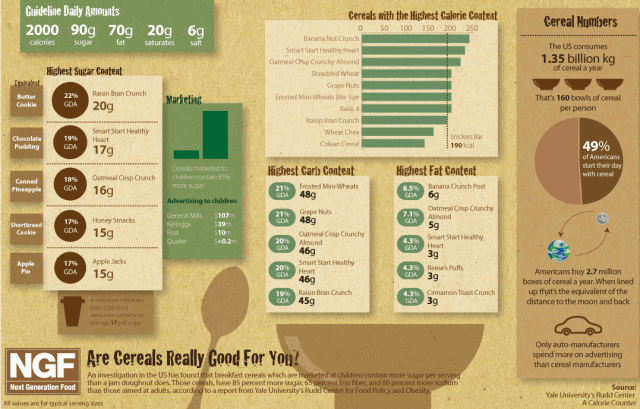
ARE CEREALS REALLY GOOD FOR YOU?

Check out what is in your cereal.


Leave a comment

VITAMINS FOR KIDS HEALTH – VITAMIN A

VITAMIN A

Vitamin A helps cell reproduction. It also stimulates immunity and is needed for formation of some hormones. Vitamin A helps vision and promotes bone growth, tooth development, and helps maintain healthy skin, hair, and mucous membranes. It has been shown to be an effective preventive against measles.

Deficiency can cause night blindness, dry skin, poor bone growth, and weak tooth enamel.

Alpha-carotene, beta-carotene and retinol are all versions of Vitamin A.

KID’S NEED:

4,000 IU/day for children ages 1-3
5,000 IU/day for children ages 4-6
7,000 IU/day for children ages 7-10

SOURCE:

FRUITS: Most fruits contain vitamin A, but the following fruits have a significant amount: Cantaloupes , Grapefruit, Guava, Mango, Papaya, Passion fruit, Tomatoes

NUTS: Chestnuts, Pecans, Pistachios

LEGUME: Most legumes do not contain a significant amount of Vitamin A

VEGETABLES: Amaranth Leaves, Bok Choy, Broccoli, Brussels Sprouts, Butternut Squash, Carrots, Chinese Broccoli , Chinese Cabbage, Kale, Leeks, Spinach ,Squash, Sweet Potato

ANIMAL SOURCE: Cheddar Cheese, Cows Mile, Egg, Goat Cheese, Sour Cream


Leave a comment

FOOD (JUICE) FRAUD

· FOOD (JUICE) FRAUD

IT is tempting to pick up a bottle of juice in the supermarket aisle. But the closer you look at the ingredients, the more alarmed you might be. Not every juice is as natural and pure as you might think.

1. No Fiber: Most dietitians and websites recommend eating your fruit, not drinking it; fruit juices won’t have any of the fiber that a piece of fruit has because it’s been stripped away during the processing. But that doesn’t mean you should avoid juices altogether – you just have to know what to look for.

2. Load of calories: The term "100 percent fruit juice" sounds good, right? The good news is that 100 percent fruit juice is made purely from the juices of real fruits. One study published in the American Journal of Health Promotion even found that kids who drank more than 6 ounces of 100 percent juice had more nutritious diets than their peers. But there are a few problems with 100 percent real fruit juice: you get way more sugar and calories, for starters. Your glass of 100 percent fruit juice has about twice the amount of calories as a piece of fruit;

3. Cheap substitutes: You might think that your fruity combination juice is a mix of all your favorite juices – but you’re more likely to find apple and grape juices in there. Apple and grape juices are seen as the "fillers" of most juices, because they’re cheap to make. So that blueberry-pomegranate juice may contain 100 percent fruit juice of blueberries and pomegranates, but may also have apple and grape juice in it. Pomegranate juice is a high-value ingredient and a high-priced ingredient, and adulteration appears to be widespread. Stick to single-fruit juice (like 100 percent pomegranate fruit juice) and read the ingredients labels very carefully. The higher up the ingredient is on the list, the more you’ll find of it – so if your juice has apple and grape way up at the top, you’re getting a lot of those from your bottle.

4. Fake Fiber :Because juicing strips away the fiber from natural fruits, some juice makers add additional fiber back into their products. But some juice makers have been found in the past to add in synthetic fiber, making your wholesome juice not quite so natural. For example, one review of supermarket juices published by the nonprofit watchdog Center for Science in the Public Interest (CSPI) found that Welch’s 100 Percent Grape Juice with Fiber (which suggests that one serving can give you 10 percent of your daily needs in fiber) was made with maltodextrin, an additive that acts more like a starch-like carbohydrate. However, the study said, the label advertised that the fiber came from the whole grapes, and not an additive. In 2011, a lawsuit was filed against Naked Juice.for misleading language on the labeling that ignored the "added synthetic compounds," like "Fibersol-2 (a proprietary synthetic digestion-resistant fiber), fructooligosaccharides (a synthetic fiber and sweetener), and inulin (an artificial and invisible fiber added to foods to… increase fiber content without the typical fiber mouthfeel)." You can still find maltodextrin on the ingredient list for Blue Machine Naked Juice.

5. Artificial (and Natural) Colorings: Certain juices will contain dyes in them. The one under the most fire is Red 40, a dye and Yellow 6, was found in several brands of orange juice in one study. And as some point out, using even natural additives like beet concentrate or carrot concentrate for color can cause big problems for those with food allergies, so it’s best to read those ingredient labels carefully.

6. Flavor Packs: ethyl butyrate is one ingredient you might see on your juice ingredient label, as "flavor pack" that makes your juice so appetizing. Tropicana Juice is one such company to come under fire (and lawsuits) for using flavor packs in orange juice to give it a "distinctive" and consistent taste. As Food Renegade explains: "When the juice is stripped of oxygen it is also stripped of flavor-providing chemicals. Juice companies therefore hire flavor and fragrance companies, the same ones that formulate perfumes for Dior and Calvin Klein, to engineer flavor packs to add back to the juice to make it taste fresh. Flavor packs aren’t listed as an ingredient on the label because technically they are derived from orange essence and oil. Yet those in the industry will tell you that the flavor packs, whether made for reconstituted or pasteurized orange juice, resemble nothing found in nature."Coca-Cola’s Simply Orange juice is another such example of a product "made with an algorithm." The "Black Book" model, Bloomberg recently revealed, is how Coca-Cola can replicate the same taste of orange juice despite the variables of juice production – using "natural fragrances and flavors."

Courtesy: http://www.thedailymeal.com/juice-frauds-what-s-really-your-juice?utm_source=shine%2Bnewsfeed&utm_medium=partner&utm_campaign=juice%2Bfrauds&RM_Exclude=Welcome


Leave a comment

HOW YOUR BRAIN INFLUENCES YOUR FOOD

Interesting article in BBC.

Cutlery ‘can influence food taste’ By Helen Briggs, BBC News

Our perception of how food tastes is influenced by cutlery, research suggests.

Size, weight, shape and color all have an effect on flavor, says a University of Oxford team.

The study in the journal Flavour suggests the brain makes judgments on food even before it goes in the mouth.

1. Cheese tastes saltier when eaten from a knife rather than a fork;

2. While white spoons make yogurt taste better, experiments show.

3. Food tasted sweeter on the small spoons that are traditionally used to serve desserts.

4. Color contrast was also an important factor – white yogurt eaten from a white spoon was rated sweeter than white yogurt tasted on a black spoon.

5. Cheese on a knife, tasted saltier than cheese on spoon, fork or toothpick.

6. people generally eat less when food is served on smaller plates.

The new research into how the brain influences food perceptions could help dieters or improve gastronomic experiences at restaurants, said Prof Spence.


Leave a comment

LATEST (2013) STUDIES ON PREGNANCY AND BABIES

KEY FINDING:

Taking daily iron supplements during pregnancy can reduce the chances of having a small baby as well as anemia.

STUDY:

Studies of two million women found that taking even a tiny amount of iron cut the risk of anemia by 12% and low birth weight by 3%.

For every additional 10 mg of iron taken each day, up to a maximum of 66 mg per day, the risks of anemia and low birth weight decreased.

But researchers found no reduction in the risk of premature birth as a result of iron use.

So WHAT?

The World Health Organization currently recommends a dose of 60 mg per day for pregnant women.

Women contemplating pregnancy should adjust their diet to include appropriate iron nutrients before becoming pregnant.

Add Lean meat, green leafy vegetables, dried fruit, nuts and many breakfast cereals to add natural iron.

Iron supplements may have unpleasant maternal side effects like constipation, indigestion and bloating. Add fibrous food to offset the constipation effect of iron.

KEY FINDING:

Alcohol is not safe for pregnancy. Don’t imbibe even a glass or two.

STUDY:

Researchers at Oxford and Bristol Universities discovered that drinking one or two glasses of wine a week during pregnancy could have an impact on a child’s IQ.

Drinking too much while expecting a baby can lead to miscarriage, low birth weight, learning disabilities and hyperactivity.

So WHAT?

· When a pregnant woman drinks alcohol, the levels of alcohol in her baby’s blood rise as high as her own. Because the baby’s liver is immature, it can’t break down the alcohol as fast as an adult can. This means the baby is exposed to greater amounts of alcohol for longer than the mother. When an unborn baby is constantly exposed to alcohol, a particular group of problems can develop, known as fetal alcohol syndrome.

KEY FINDING:

Mothers who were iodine deficient had children with a slightly lower IQ and worse reading scores in primary school.

STUDY:

Study showed that two in three women were not getting enough iodine during pregnancy. This was mostly mild deficiency.

So WHAT?

· A balanced diet during pregnancy would contain enough iodine. Iodine is a building block of hormones made in the thyroid gland. These control the way the body uses energy and how it grows. It is particularly important when the brain is developing. In pregnancy you need 50% more of the chemical than normal.

KEY FINDING:

Babies are learning when they’re still in the womb

STUDY:

A US and Sweden study discovered that in the last 10 weeks of pregnancy, fetuses are listening to their mothers communicate. And when they are born, they can show what they’ve heard.

So WHAT?

Speak regularly to your baby. But don’t put loudspeakers in the tummy to disrupt the baby’s sleeping pattern.

· Baby developmental milestone:

· 4 months: Fetal hearing begins to develop; the nervous system starts functioning

· 6 months: Fetus responds to sounds by kicking, quickening pulse

· 7 months: Fetal hearing fully developed. Fetus responds to visual and audible stimulation

· 8 months: Brain continues to develop; fetus can see

Babies born to bilingual mothers have shown they can equally accommodate two or more languages – but that ability is acquired through natural exposure.


Leave a comment

THE STEALTH KILLER THAT LEADS TO ADHD

AVOIDING PESTICIDES

Last fall the American Association of Pediatrics (AAP) published a report on pesticides that says:
“Children’s exposures to pesticides should be limited as much as possible.”

1. What are pesticides?
“Pesticides represent a broad classification of chemicals that are applied to kill or control insects, unwanted plants, mold or unwanted animals (e.g. rodents).” AAP says that certain pesticides (insecticides, herbicides, organophosphates and rodenticides) are the primary agents that cause acute and chronic toxicity in children. They have nerve-disrupting agents including several chemicals that have been banned for home use in the U.S. because of their adverse effects.

2. What happens when children are exposed to pesticides?
Malathion is an OP that is widely used in U.S. food production. It is used on strawberries, carrots, grapes, sweet potatoes, and dozens more. Research by Harvard University’s School of Public Health on malathion metabolites in the urine of children found that even low levels of malathion were associated with a 55% higher risk of having ADHD. In addition to the food kids eat, children may also be exposed to many pesticides in the home, such as flea treatment for cats and dogs, lawn-care products, and even treatment for head lice. Additionally, young children play on and crawl across the floor, and “exhibit frequent hand to mouth activity.”

Consider this: “One example evident from the biomonitoring data is chlorphrifos, a non-persistent organophosphate (OP) insecticide. Although banned in 2000 for use inside the home, it continues to be used in agriculture, including orchard fruits, such as apples and pears, and other dietary staples of children. In the Center for Disease Control biomonitoring data, chlorpyrifos-specific urinary metabolites were highest for the youngest age group assessed (6-11 years) compared with older children and adults.” Children are more vulnerable to these and other pesticides because of their lower body weight, and tendency to eat pesticide ridden foods like apples (think apple juice, apple slices, apple sauce) that have OP residues like chlorphrifos.

3. What can parents do?
The AAP cites a study conducted on elementary school students in Seattle where participants, ages 3 to 11-years-old, were first monitored for the presence of malathion and chlorpyrifos metabolites three days on their conventional diets before the researchers substituted most of the children’s conventional diets with organic food items for five consecutive days. The children were then re-introduced to their normal foods and monitored for an additional seven days.
The researchers found that “A rapid and dramatic drop in their urinary excretion of metabolites of malathion and chlorpyrifos OP insecticides during the organic diet phase was observed.” Once the children returned to their conventional (i.e. non-organic) diets, the average malathion metabolite concentration increased as did the chlorpyrifos metabolite concentration.

Takeaway

Choose foods that are USDA-Certified Organic.

Read more:

http://pediatrics.aappublications.org/content/130/6/e1757


Leave a comment

THE WORST OFFENDERS IN KID’S FOOD

THE WORST OFFENDERS IN KID’S FOOD

Fight back at the Junk food industry. Hidden salt, sugar, and trans fat abounds, not to mention lengthy lists of unpronounceable chemical ingredients.

Learn about them here and boycott them.

1. Cheese and Sandwich Crackers:Has nearly 15 percent of the daily value for fat and almost 10 percent of the DV for sodium, and many are loaded with trans fat, high-fructose corn syrup, MSG, and artificial dyes.

2. Sugary Cereals:Many sugary kids’ cereals are more than 50 percent sugar by weight!!!

3. Chicken Nuggets:Nuggets are made with parts of the chicken that aren’t usually eaten, and are held together with meat glue (also known as transglutaminase). If that’s not enough to turn you off, chicken nuggets deliver around 25 percent of the daily value for fat and sodium.

4. Box Mac and Cheese:leading brands of boxed mac and cheese has 580 milligrams of sodium per serving — that’s almost 25 percent of the RDA for adults!

5. Frozen Kids Dinners – Hidden sugar, sodium, chemicals, and preservatives are a big reason to ban these foods from your list

6. Canned Tuna – Mercury’s not good for anyone but it’s especially bad for fetuses, babies, and children because it impedes brain development. The Natural Resources Defense Council publishes a list that offers guidelines on how much tuna is safe to eat depending on weight, but some research suggests that there may be more mercury in tuna than assumed and the amount can vary greatly from can to can.

7. Cereal Barsome bars can have loads of sugar, fat, trans fat, and little to no fiber or protein. Look for a balanced bar that’s easy on the sugar and big on whole grains, fiber, and protein.

8. Pre-made lunch kit – even so-called “healthier” versions can have up to 25 percent DV of sodium. There’s also the relative dearth of nutrients, an epic list of hard-to-pronounce ingredients, and lots and lots of sugar — as much as 33 grams.

9. Sport or Fruit Drinks – targets kids in their advertising and falsely claim health benefits, have been linked with childhood obesity and tooth decay, and some doctors suggest these drinks should only be offered to children during or after vigorous exercise.

10. Yogurt Smoothies – smoothie drinks marketed to kids sneak in ingredients like high fructose corn syrup or lots of plain old sugar (a few smoothies have a jaw-dropping 47 grams of sugar per serving — 10 grams more than a can of Coke), artificial food dyes, and other sketchy additives.

CHOOSE INSTEAD

· A slice of real cheese to a whole-grain cracker with plenty of fiber.

· Real fruits and nuts (if not allergic)

· A glass of almond milk

· A toast of organic multi-grain bread

· Homemade bars and cereals

· Simple oatmeal with bits of dried fruits


Leave a comment

WANT TO AVOID 150,000 DEATHS, MINIMIZE THIS ONE INGREDIENT

WANT TO AVOID 150,000 DEATHS, MINIMIZE THIS ONE INGREDIENT

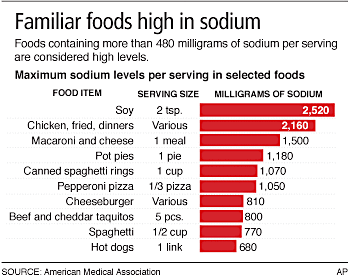
a new Northwestern Medicine study conducted with the Center for Science in the Public Interest found that sodium content of food is as high as ever in selected processed foods and in fast-food restaurants. Over the last 10 years, there has been no voluntary reduction by the food manufacturers.

Excess sodium prematurely kills as many as 150,000 people in the U.S. each year. About 90 percent of the U.S. population develops high blood pressure and high salt in the diet is a major cause. High blood pressure increases the risk of developing heart attacks and strokes, often resulting in death or disability.

AHA recommends salt level for adult of 1500mg per day but Americans eat ~4000mg (>166% more than needed). Where does this salt come from?

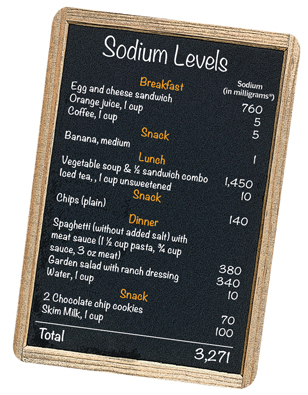
The answer: PROCESSED FOOD

What do we mean by processed food?

Another way of looking at this alarming statistics of salt consumption (per CDC)

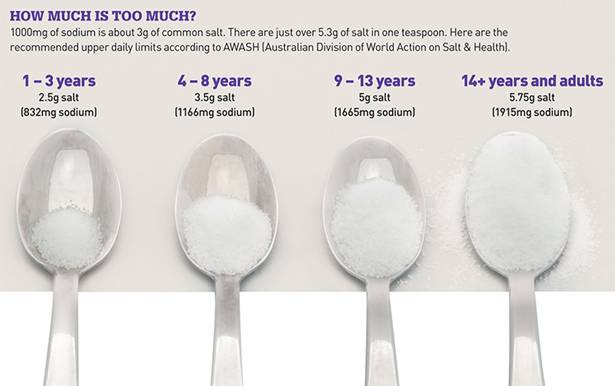
How much salt is too much for your kid?

“High salt content in food benefits the food industry and it masks the flavor of ingredients that are often not the best quality and also stimulates people to drink more soda and alcohol, which the industry profits from.” Per Stephen Havas, M.D., research professor of preventive medicine at Northwestern University.

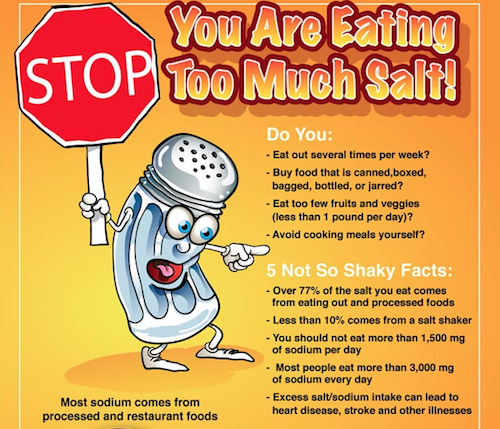
So what can we do?

Happy snacking.


Leave a comment

SLOW POISON IN YOUR KID’S DIET

SLOW POISON IN YOUR KID’S DIET – MSG

A lot of patients worry about the impact of 0.2 milliliter of Formaldehyde that may be in vaccines. But do you realize that unbeknownst to you, you may be feeding a slow poison to your child, that is far MORE POTENT.

Did you know that your EAST-ASIAN restaurant food, CHIPS or COFFEE may be poisoning you?

The Natural flavor that you see in many chips and coffee is a food additive called MSG (Mono-Sodium Glutamate).

MSG is a slow poison and hides behind 25 or more names like “Accent”, “Aginomoto”, “Natural Meat Tenderizer”, “Hydrolyzed Vegetable Protein” etc.

MSG is found in everything

– Campbell’s soups, the Hostess Doritos, the Lays flavored potato chips, Top Ramen, Betty Crocker Hamburger Helper, Heinz canned gravy, Swanson frozen prepared meals, and Kraft salad dressings, especially the “healthy low-fat” ones.

– Most East Asian restaurant (like Chinese or Thai) also use Chinese Salt – or MSG.

– While it is not confirmed, apparently many American chains (Burger King, McDonald’s, Wendy’s, Taco Bell, KFC, TGIF, Chili’s, Applebee’s, and Denny’s) also use MSG to impart flavor.

Why is it used?

Because MSG has an addictive feel-good effect on your tongue.

What is the issue?

Over the years, the FDA has received many anecdotal reports of adverse reactions to foods containing MSG.

These reactions (known as MSG symptom complex) include:

· Headache

· Flushing

· Sweating

· Facial pressure or tightness

· Numbness, tingling or burning in the face, neck and other areas

· Rapid, fluttering heartbeats (heart palpitations)

· Chest pain

· Nausea

· Weakness

Research has documented several effects related to MSG, including burning sensations of the mouth, head and neck, weakness of the arms or legs, headaches and upset stomach approximately 15 minutes after the MSG is consumed [Source: Metcalfe]. Further research again points to problems such as flushing, headaches and hives or allergic-type reactions with the skin [Source: Izikson, Gladstein, Simon]. One study in mice concluded that injections of MSG produced obesity, inactivity and many other hormone fluctuations [Source: Lorden]. A double blind study (where both researchers and test subjects were not aware who was getting a real test or a fake test) found that MSG exposure caused muscle tightness, fatigue, numbness or tingling, and flushing [Source: Yang].

SO WHAT CAN YOU DO?

Unfortunately, the FDA has set no limits on how much of it can be added to food. But you can!

Look at the food label:

  • Stop buying foods with MSG
  • Avoid names like Natural Flavoring, Accent, Natural Meat Tenderizer, or Hydrolyzed Vegetable Protein, MonoPotasium glutamate, Glutamic Acid, Vegetable Protein Extract, Calcium Cascinate, Sodium Caseinate,
  • MSG does not occur naturally in whole foods, so you do not have to worry about it in apples or bananas.
  • When ordering food in a restaurant, specifically request for NO MSG.

WANT TO READ MORE?

Check out John Erb’s book “The Slow Poisoning of America”. (He shows the link of MSG to diabetes, migraines and headaches, autism, ADHD, and even Alzheimer’s.)


Leave a comment

NEWS FLASH: SUBTLE PSYCHOLOGY OF SHOPPING IN EMPTY STOMACH

NEWS FLASH: SUBTLE PSYCHOLOGY OF SHOPPING IN EMPTY STOMACH

A new study offers evidence to support what many people have learned for themselves: never go grocery shopping when you’re hungry. Researchers found that people who hadn’t eaten all afternoon chose more high-calorie foods in a simulated supermarket than those who were given a snack just before online food shopping.

And in a real grocery store, shoppers bought a higher ratio of high-calorie foods to low-calorie ones in the hours leading up to dinnertime compared to earlier in the day, the study team observed.

SOURCE: bit.ly/MbBLbb JAMA Internal Medicine, online May 6, 2013.

A GOOD CHART ON COOKING VEGGIES

Leave a comment


Leave a comment

MANUFACTURED DEMAND FOR BOTTLED WATER

Check out this entertaining and educational video on how companies are tricking you and your wallet with “manufactured demand”


Leave a comment

YET ANOTHER MONTH AND YET ANOTHER MEAT SCARE

Given the propensity of meat to decay quickly and with meats being mass produced, it is no wonder that we have more and more incidences of health violations.

Message for us: Think twice about adding store bought meats to our diet.

Antibiotic-resistant bacteria found in ground turkey in 21 states, report finds

Published May 01, 2013

Reuters

·

Dangerous antibiotic-resistant bacteria has been found in ground turkey on U.S. grocery shelves across a variety of brands and stores located in 21 states, according to a report by a consumer watchdog organization.

Of the 257 samples of ground turkey tested, more than half were found to be positive for fecal bacteria and overall, 90 percent were contaminated with one or more types of disease-causing organisms, many of which proved resistant to one or more common antibiotics, Consumer Reports found.

The non-profit, independent product-testing organization said in the June issue of its magazine that the sampling marked the first time it had conducted a laboratory analysis of ground turkey, a popular consumer alternative to hamburger. It was alarmed by the results.

“Some bacteria that end up on ground turkey, including E. coli and staph aureus, can cause not only food poisoning but also urinary, bloodstream, and other infections,” said a Consumer Reports statement on its findings.

The group said it samples ground turkey from 27 different brands including major and store brands.

Turkeys, like other livestock in the United States, are commonly given repeated low doses of antibiotics in an effort to keep the animals healthy and help promote growth. But there has been growing concern that widespread use of antibiotics in animals that are not sick is speeding the development of antibiotic resistance.

The National Turkey Federation said the findings were sensationalized on a sampling that was “extremely small,” and said that blaming use of antibiotics in animals was “misleading.”

“There is more than one way they (harmful bacteria) can wind up on food animals,” said National Turkey Federation vice president Lisa Picard. “In fact, it’s so common in the environment, studies have shown that generic E.coli and MRSA (Methicillin-resistant Staphylococcus aureus) can even be found on about 20 percent of computer keyboards.”

The U.S. Food and Drug Administration also found widespread contamination, discovering antibiotic resistant E coli, salmonella and other harmful bacteria in turkey, ground beef, pork chops and chicken in sampling done in 2011.

The food safety regulator says resistance of bacteria to antibiotics is “a major public health threat,” and last year issued voluntary guidelines for animal health and animal agriculture industries aimed at limiting the antibiotic use in livestock. The agency has rebuffed efforts to mandate reduced usage, however.

U.S. Rep. Louise Slaughter, a New York Democrat, last month reintroduced legislation that would ban non-therapeutic uses of eight types of antibiotics in food animal production.

The Centers for Disease Control and Prevention also has issued a warning about antibiotic resistance infections, saying they are becoming increasingly difficult to treat and more infected people are likely to die.

“Humans don’t consume antibiotics every day to prevent disease and neither should healthy animals,” said Dr. Urvashi Rangan, Director of the Food Safety and Sustainability Group at Consumer Reports. “Prudent use of antibiotics should be required to stem the public health crisis generated from the reduced effectiveness of antibiotics.”


Leave a comment

BEWARE OF DISCRETIONARY OR ADDED SUGAR

BEWARE OF DISCRETIONARY SUGAR

LA Times has a very timely article on one of the sins of American eating habits – loading up on Sugar.

BACKGROUND

The U.S. Centers for Disease Control and Prevention guidelines advise us to limit our total intake of added sugars, fats and other “discretionary calories” to between 5% and 15% of total calories consumed every day.

STUDY

The report finds that from 2005 to 2010 we got 13% of our total calories from added sugar alone. Not only does sugar cause us to gain weight, but sugary items often displace fruits, vegetables and other foods that contain essential nutrients. Adults tended to eat the most sugar in their 20s and 30s, with consumption falling steadily over time. African Americans got more of their calories from added sugars — 14.5% for men and 15.2% for women — than whites (12.8% for men, 13.2% for women) or Mexican Americans (12.9% for men, 12.6% for women). And poorer people added more sugar in their diets.

Added sugars do not include the sugars that occur naturally in fruit and milk. As the name implies, added sugars are used as ingredients in prepared and processed foods and drinks. For the sake of the analysis, other forms of added sugar included brown sugar, raw sugar, corn syrup, corn syrup solids, malt syrup, pancake syrup, fructose sweetener, liquid fructose, anhydrous dextrose, crystal dextrose and dextrin.

YOU WANTS MORE DETAILS?

This

from a professor of endocrinology in UC explains the biochemical route that sugar takes and how it destroys our body.

SO WHAT?

One simple message – for a healthier life, Cut out added Sugar as much as possible.

Sugar-sweetened soda is the single biggest source of added sugars in the American diet.

Beverages overall accounted for only one-third of added sugars consumed by adults. It is even worse in kids.

For your kids, avoid sodas like a plague. Support soda bans in schools.

When you head out to eat, choose water over fruit juices (which are spiked with sugar) or artificial beverages (especially for kids)

Avoid sugary breakfast like donuts and high sugar cereals, in favor of oatmeal, grits, bread with PB, fruits etc.

Remember the old grandmas adage “What is good of the tongue is usually bad for the body”