A holistic approach to pediatric care in Frisco and Plano, Texas

Award winning, top rated Pediatrician serving Frisco, Plano, Allen and North Dallas

faceless woman with pill in teeth and nose piercing


Leave a comment

Metallic Taste in Your Mouth!

If your mouth constantly tastes like old pennies, you’re not alone. There are actually several different conditions that may cause this to arise, some of which are far less serious than others. Below, we’ve listed some of the most common causes for a metallic taste in your mouth.

1. Over-the-counter vitamins or medicines

Multivitamins that contain heavy metals (such as zinc, copper or chromium) or certain types of cold remedies (like zinc lozenges) can cause a metallic taste to develop in your mouth. Calcium or iron supplements can cause this too, as can prenatal vitamins. The taste will often go away as your body breaks down the vitamins or medicine. If it doesn’t, check your dosage to ensure you are not taking too much. Also if you lack vitamin B-12, your nerves might not function properly, and you might develop tinnitus or a metallic taste.

2. Infections

Certain kinds of infections, such as colds, sinusitis, and upper respiratory infections can alter your sense of taste. Such sensory changes are typically temporary and will usually go away as soon as you get better.

3. Poor oral hygiene

If you don’t brush your teeth and floss regularly, then you may end up with teeth and gum problems like gingivitis, periodontitis and certain kinds of tooth infections. These usually get better with a prescription from your dentist, with any metallic tastes leaving along with them.

4. Prescription drugs

These medicines include the gout medicine allopurinol, antibiotics such as tetracycline, lithium, used in the treatment of certain psychiatric conditions, and particular cardiac drugs. Certain drugs which cause your mouth to go dry may also be the cause, since they may be absorbed close to your taste buds.

5. Dementia

Persons with dementia often experience taste abnormalities. This is because there is a connection between the taste buds and the brain. As a result, taste abnormalities often arise when the part of the brain related to taste is not functioning properly.

6. Chemical exposure

If you find that you have been exposed to lead or mercury, such as through accidental inhalation, then you may find that you have a metallic taste in your mouth, which should be seen to by a professional.

7. Cancer treatment

A metallic taste in your mouth may also arise if you are being treated for cancer via radiation therapy or chemotherapy. This is a normal side effect and should not be anything to worry about.

8. Pregnancy

During some of the earliest stages of pregnancy, some expectant mothers find that their sense of taste has been altered drastically. One of those changes may be a metallic taste in the mouth. Consult your doctor if it is causing you any distress.

9. Hay Fever or allergic rhinitis

Hay fever can leave a metallic taste in your mouth due to inflamed nasal passages that disrupt your ability to taste.

10. Covid-19

COVID-19 is an illness caused by a strand of coronavirus discovered in late 2019. COVID-19 can cause a wide range of flu-like symptoms 2 to 14 days after exposure.

11. Pine nut syndrome

Pine nut syndrome is a rare reaction to pine nuts that begins 12 to 48 hours after eating them. It causes a bitter metallic taste in your mouth that can last up to a month.

Treating the underlying cause

  • Allergies are usually treated by making lifestyle changes to reduce contact with dust, mold, and other allergens. Non-drowsy antihistamines are available over the counter to help you manage your symptoms.
  • If you have a viral infection, such as a sinus infection or COVID-19, it’s important to stay hydrated and get plenty of rest to allow your body to recuperate. Nasal decongestants may help you improve your breathing. Ibuprofen and other anti-inflammatories may help with body aches and pains.
  • If you’re experiencing shortness of breath, a fever over 103 degrees, or pressure in your chest, you should seek medical attention.
  • If your medication is causing your symptoms, a doctor may recommend changing your dose or the medication.

Source: Internet & Other sources

The views expressed in this article should not be considered as a substitute for a physician’s advice. Always make sure to seek a doctor or a professional’s advice before proceeding with the home treatment plan.

IF YOU HAVE SPRING ALLERGIES

Leave a comment


Leave a comment

NATURAL WAYS TO FIGHT MALARIA, DENGUE FEVER AND CHIKUNGUNYA

Neem oil: Neem has a number of great benefits for the human body, but apart from being an elixir for your health, neem is also a great mosquito-repellent. A study published in the Journal of the American Mosquito Control Association found that mixing neem oil with coconut oil in a 1:1 ratio is a really effective way to keep mosquitoes at bay. Being a potent antibacterial, anti-fungal, antiviral and anti-protozoal agent, neem lends your skin a particular smell that wards off mosquitoes. To make an effective insecticide mix neem oil and coconut oil in equal portions and rub it on your body (all exposed parts). This will protect you from mosquito bites for at least eight hours.

Eucalyptus and lemon oil: Recommended by the CDC (Center for Disease Control) as an effective insect-repellent the mixture of lemon oil and eucalyptus oil is extremely effective in repelling mosquitoes – naturally. The way lemon oil and eucalyptus oil works is due to its active component cineole, which has both antiseptic and insect-repellent properties when applied to the skin. The best part about this mixture is that it is natural and does not come with all the ill effects of chemical mosquito repellents. To use this mixture, mix lemon oil and eucalyptus oil in equal proportions and use it on your body. (Read:Neem and tulsi, effective remedies to keep malaria out of your home)

Camphor: Using camphor as a repellent also works wonders. Made from the extract of a tree, this compound has been found to have the longest mosquito repellent activity when compared to other natural products. Light camphor in a room and close all the doors and windows. Leave it this way for about fifteen to twenty minutes and go back to a mosquito free environment.

Tulsi: According to data published in the Parasitology Research Journal tulsi was extremely effective in killing mosquito larvae and helped keep mosquitoes away. Moreover, according Ayurveda simply planting a tulsi shrub near your window is all you need to keep mosquitoes away. The plant has properties that do not allow mosquitoes to breed and will prevent them from entering your house.

Garlic: Is a great way to keep mosquitoes at bay. It might smell bad, but that is exactly why mosquitoes stay away. The strong and pungent odour of garlic is known to prevent mosquito bites and even prevents them from entering your home. So to use this remedy you could crush up a few pods of garlic, boil it in water and use the water to spray around the room you want to keep mosquito free. If you are the adventurous type (or really hate mosquitoes), you could also spray it on yourself to avoid being bitten.

Tea tree oil: It has numerous benefits for your skin and hair and is a very powerful antibacterial and antifungal agent as well, but did you know that tea tree oil is also perfect to drive mosquitoes away? Well, the odour and its antifungal and antibacterial properties help prevent mosquitoes from biting you and drive them away. So if you want to use this remedy you could either rub some tea tree oil on your skin or add a few drops of it to a vaporizer. This way the scent of tea tree oil permeates the air keeping mosquitoes at bay.

Mint : If the scent of mint relaxes you then this remedy is for you. According to a study published in the Journal of Bioresource Technology {4} found that mint oil and mint extract is as effective as any other insect repellent. You can use mint leaves and essence in a number of ways. You can choose to use it in a vaporizer to help fill the room with the scent of mint, apply the oil on your body or plant the shrub outside your rooms window. Alternatively you could mix a bit of mint-flavored mouthwash with water and spray it around your home.

Lavender: Not only does it smell absolutely divine but it is also a great way to keep those pesky mosquitoes at bay. The scent of this flower is often quite strong for mosquitoes making them unable to bite. So to use this home remedy, use lavender oil as a natural room freshener or apply it on your skin (you can mix it with your cream) for best results.


Leave a comment

NEWS: FOOD BORNE ILLNESS

The U.S. Centers for Disease Control and Prevention, the U.S. Food and Drug Administration and the U.S. Department of Agriculture’s Food Safety and Inspection Service joined forces to create the Interagency Food Safety Analytics Collaboration and issue the report. The study used data from nearly 1,000 outbreaks that occurred from 1998 to 2012. Among its key findings, it broke down which types of food are most likely to harbor common types of bacteria:

E. coli: More than 80 percent of cases were a result of eating beef and row crops such as leafy green vegetables.

Salmonella: Though this type of bacteria can end up in a large variety of foods, 77 percent of cases were related to eggs, chicken, beef, bean sprouts, pork and seeded fruits and vegetables such as melons and tomatoes.

Campylobacter: Dairy is the primary culprit for infections caused by this type of bacteria, with 66 percent coming from raw milk and cheeses such as unpasteurized queso fresco. Chicken accounted for 8 percent of campylobacter infections.

Listeria: Though there was less data on this type of bacteria, the report finds fruits such as cantaloupe accounted for about half of all listeria infections; dairy was to blame in about 31 percent of cases.

UNDERSTAND ECZEMA TREATMENTS

Leave a comment


Leave a comment

RESEARCH NEWS: CARAMEL COLOR IS A CARCINOGEN

STUDY FINDINGS:

A new study has revealed that presence of carcinogens in the caramel color added to cold drinks increases the risk of cancer among people with high consumption. The chemical, 4-methylimidazole (4-MEI), is produced as a byproduct when caramel color is formed in soft drinks. Findings of the study have been published in the journal PLOS ONE. The chemical is also found in roasted foods, grilled meats or coffee.

Read more:

FOOD FAKES – DID YOU KNOW?

DANGERS OF FOOD COLOR ADDITIVES

MYSTERY OF AUTISM FROM TECHNOLOGY REVIEW

Leave a comment


Leave a comment

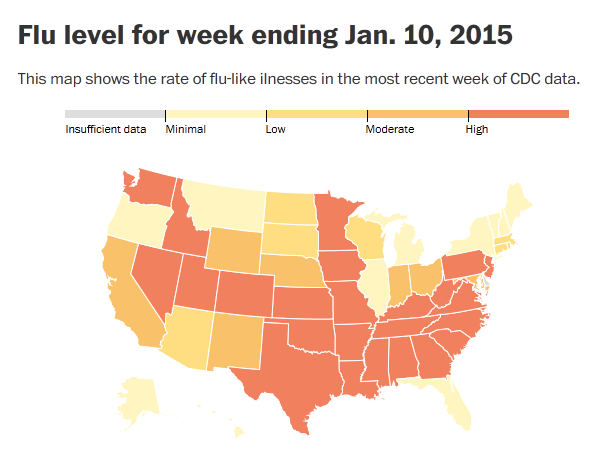
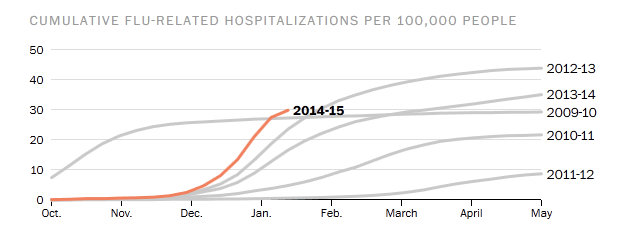
HOW DOES THIS YEAR’s FLU LEVEL COMPARE to PAST?

Flu is more prevalent

And more Severe this year

Flu vaccine is only 23 percent effective this season.


Leave a comment

WINTRY WEATHER – HOW TO PROTECT YOUR CHILD

This is Accuweather’s prediction for this weekend.

It sounds brutal. Let’s avoid falling sick. Know that.

· Young children generate less body heat, and get cold more quickly than adults.

· It is better to dress your child in layers of clothing that can be put on and taken off easily.

· Infants being pulled in a sled need extra bundling. Because they aren’t moving, they can’t generate body heat the way a playing child can.

TIPS TO MANAGE KIDS IN WINTER

· Children shouldn’t play outside alone. Establish a buddy system. Better yet, avoid outdoors. Never send children outside in extreme weather conditions such as snowstorms.

· Check often to see that your child is warm and dry. Younger children should take regular breaks and come inside for a warm drink.

· If your child’s feet and hands are warm, what they are wearing is usually good. Dress your child in layers of clothing that can be put on and taken off easily. Wear a hat because a lot of body heat is lost through the head. Keep ears covered at all times. Wear mittens and wear warm, waterproof boots that are roomy enough for an extra pair of socks and to wiggle toes. Use a neck warmer instead of a scarf. Remove wet clothing and boots immediately after playing.

· The rule of thumb for older babies and young children is to dress them in one more layer of clothing than an adult would wear in the same conditions.

· If a blanket must be used to keep a sleeping infant warm, it should be tucked in around the crib mattress, reaching only as far as the baby’s chest, so the infant’s face is less likely to become covered by bedding materials.

· Stay away from snowplows and snow blowers.

· Take extra caution when crossing roads. It might be hard for drivers to see you playing if they have snowy or frosty windows. Icy roads can also make it difficult to stop.

· Snowballs should never be aimed at people or cars. They are especially dangerous when the snow is hard-packed or icy.

· Don’t put metal objects in your mouth. Lips and tongues can freeze to the metal and cause an injury.

· Don’t eat snow, which can be dirty.

· Never sled on or near roadways. Look for shallow slopes that are free of trees, fences or any other obstacles.

· If frostbite occurs, bring the child indoors and place the frostbitten parts of her body in warm (not hot) water. 104° Fahrenheit (about the temperature of most hot tubs) is recommended. Warm washcloths may be applied to frostbitten nose, ears and lips. Do not rub the frozen areas. After a few minutes, dry and cover the child with clothing or blankets. Give him/her something warm to drink.

· If your child suffers from winter nosebleeds, try using a cold air humidifier in the child’s room at night. Saline nose drops or petrolatum may help keep nasal tissues moist.

· Children 6 months of age and up should get the influenza vaccine to reduce their risk of catching the flu.

· If you suspect your child is hypothermic, call 911 at once. Until help arrives, take the child indoors, remove any wet clothing, and wrap him in blankets or warm clothes.

Stay safe.

Source: Multiple including NIH, Healthychildren


Leave a comment

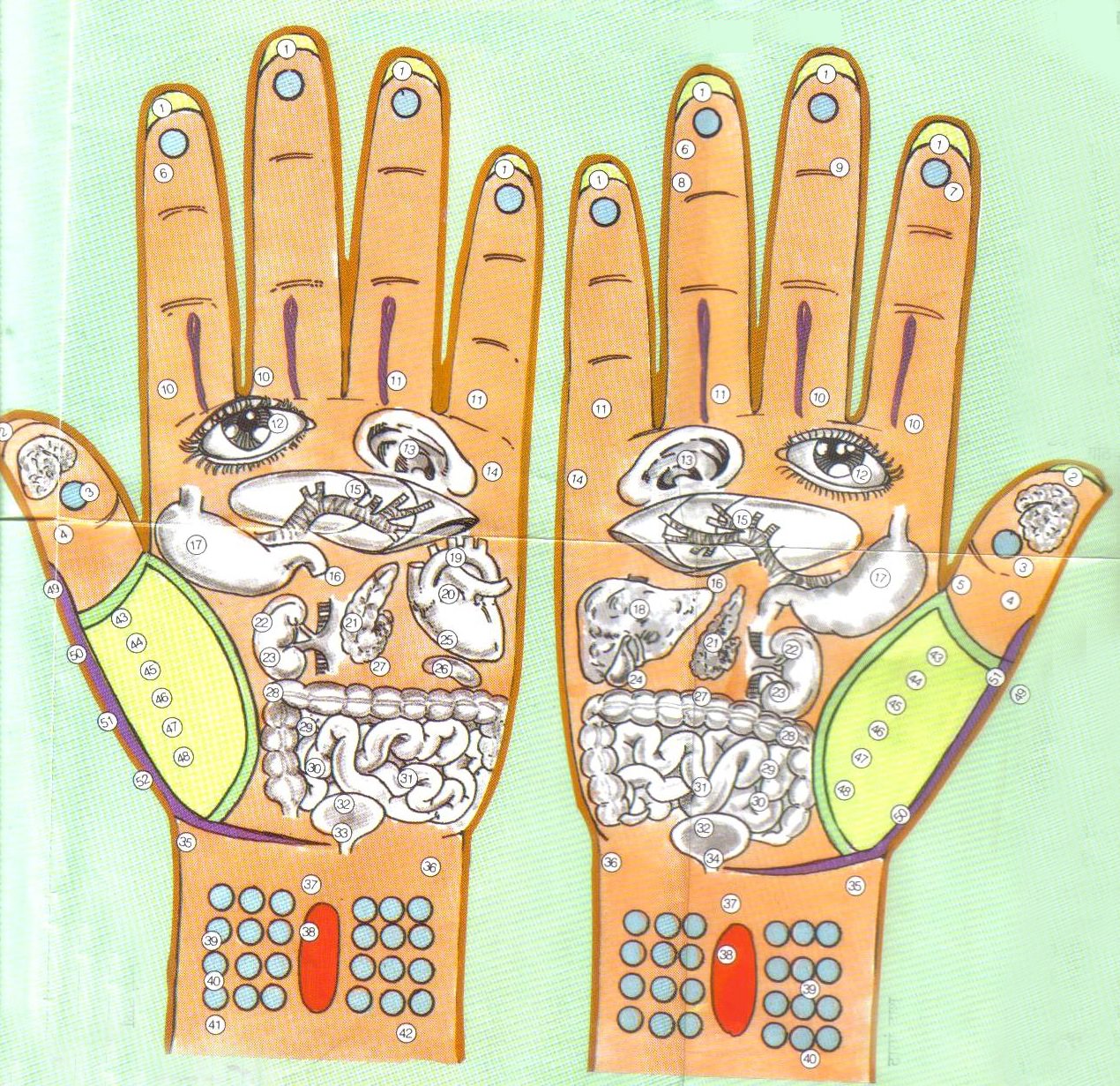
ACCUPRESSURE POINTS

PRESS the points of problem in your hand or feet to relieve your issue.

The Hands

1. Sinusitis 12. Eye Diseases 23. Joints 34. Appendix 45. Weight loss
2. Headache 13. Ear diseases 24. Small intestine 35. Hemorrhoids 46. Diaphragm
3. Anxiety 14. Shoulder pain 25. Hypertension 36. Pain 47. A lump in the thyroid gland
4. Depression 15. Lung disease 26. Spleen Diseases 37. Fertility Problems 48. Parathyroid pain
5. Insomnia 16. Diarrhea (dysentery) 27. Indigestion 38. Sexual arousal 49. Cervical pain
6. Cooling 17. Diseases of the stomach 28. Large intestine 39. Womb 50. Back pain
7. Energy stimulation 18. Liver disease 29. Loss of appetite 40. Prostate 51. Spinal pain
8. Stress 19. Menstrual cramps 30. Intestinal diseases 41. Problems with ejaculation 52. Back pain
9. Stimulation Memory 20. Heart 31. Upset stomach 42. Testicular pain
10. Eye veins 21. Diabetes 32. Bladder infection 43. Almond pain
11. Ear veins 22. Kidney disease 33. Urinary Incontinence 44. Hormone deficiency

The Feet

1. Sinusitis 11. Diseases of the ear 20. Diabetes 29. Pain 38. Shoulder Pain
2. Headaches 12. Toothache 21. Kidney disease 30. Infertility 39. Almond pain
3. Anxiety 13. Lung disease 22. Small intestine 31. Sexual stimulation 40. Hormone deficiency
4. Passing out 14. Heart disease 23. Digestive disorders 32. Joint pain 41. Weight loss
5. Insomnia 15. Diseases of blood flow 24. Large intestine 33. Leg pain 42. Thyroid nodules
6. Stimulate Memory 16. Hypertension 25. Bulimia 34. Heel pain 43. Parathyroid pain
7. Cooling 17. Diseases of the stomach 26. Intestinal obstruction 35. Hemorrhoids
8. Ear specialist 18. Diseases of the spleen 27. Appendix 36. Back pain
10. Vision problems 19. Liver disease 28. Bladder 37. Lower back pain

LIFE HACK – SUNBURN

Leave a comment

LIFE HACK – TOE NAIL FUNGUS

Leave a comment

LIFE HACK – HEAD LICE

Leave a comment


Leave a comment

FOOD FOR DIABETES

Simplest step: Avoid added sugar. Period.


Leave a comment

LATEST RESEARCH NOTE ON ADHD

STUDY: A study published in PLoS One by researchers at Columbia University’s Center for Children’s Environmental Health found that children exposed to high levels of air pollution during pregnancy were five times more likely to have ADHD by age 9.

DETAILS: The researchers measured levels of a common pollutant called polycyclic aromatic hydrocarbons or PAHs. PAHs are a group of chemicals that are used in making dyes, plastics, pesticides and even medicines and in modern life they are pretty much unavoidable. The EPA has classified seven PAH compounds as probable human carcinogens: benzanthracene, benzopyrene, benzo fluoranthene, benzo fluoranthene, chrysene, dibenzanthracene, and indenopyrene.

The Center for Children’s Environmental Health reports studies that demonstrate that exposure to PAH pollution during pregnancy is related to adverse birth outcomes including low birth weight, premature delivery, and heart malformations. Also higher levels of PAH is associated with a 24% higher score of anxiety or depression for children ages six to seven than those with low exposure levels.

Suggestions:

a) Avoid regions with high air pollution

b) Some studies suggest that children with ADHD may have lower levels of zinc in their body. And some scientists have reported improved symptoms in children with ADHD who took zinc supplements along with traditional ADHD treatment.

c) There is some evidence that fish oil with high Omega-3 can help improve ADHD symptoms.

d) Scientific research on ADHD diets is limited and results are mixed. Some believe that including beans, cheese, eggs, meat, and nuts is good. Add protein foods in the morning and for after-school snacks, to improve concentration and possibly increase the time ADHD medications work. Include vegetables and some fruits (including oranges, tangerines, pears, grapefruit, apples, and kiwi).

Source: PLOS, Wikipedia, WebMD others


Leave a comment

THE BIGGEST DRIVER OF STRESS

Balance in thought and action eliminates most stress


Leave a comment

COMMON COLD SEASON (WHAT DO YOU DO)

WHAT IS A COMMON COLD?

The common cold is transmitted from person to person, usually by touching a person who has a cold, or touching something that that person has touched (like a door) — and then touching your mouth or eye. Colds can occur at any time of year, but are more common during the winter months. The average child has 6 colds a year, although children in daycare or

preschool can have them more frequently.

SYMPTOMS

Typically symptoms of a cold are runny nose, sneezing, mild sore throat, cough and a slight fever. Most colds last between one and two weeks, and progress from watery runny nose and possibly a mild sore throat to thicker mucus and congestion with cough.

PREVENTION

The most important thing about colds is PREVENTION. Wash your hands after being outside of your home, and tell your children to do the same. Making sure that children get enough sleep and eat well also helps to prevent colds. For young babies (less than 2 months) try to avoid contact with people who have colds, and try to avoid crowds and gatherings where someone almost certainly has a cold.

TREATMENT

There is no “cure” for a cold. Our bodies fight off the cold without any need for medicines, and we cannot make them go away any faster with medicines. Antibiotics (like Amoxicillin) do not help colds. The only thing we can do for children is to make them as comfortable as possible and wait for the symptoms to go away.

HOME TREATMENT

Although many people use medicines to make their children feel better when they have a cold, there are several things that you can do for your child AT HOME that may be better than giving medicine:

1) Have your child drink lots of fluids. Many children lost their appetite with a cold, and may drink less as well. By encouraging them to drink more, you will help make the mucus thinner, and make them more comfortable.

2) Use saline drops and a bulb syringe, or a saline nose spray to remove the mucus. See the instruction sheet available in the pharmacy for how to prepare the saline and use the bulb syringe.

3) Humidifier. If you have one, then a humidifier may help to keep the nose, mouth and throat moist, making your child more comfortable.

4) Use some Vaseline (petroleum jelly) around your child’s nose to help prevent it becoming sore.

5) Try and have your child get extra rest. It is not necessary to restrict their activities or keep them home from school or daycare, but slowing them down a little may help them to feel better.

6) Remember that fever is not all bad. Fever may help to fight the cold.

WHEN TO CALL YOUR DOCTOR:

  • · Your child has any difficulty breathing or is breathing fast.
  • · Your child develops a fever that lasts for more than 3 days.
  • · Your child has nasal discharge lasting greater than 14 days
  • · Your child develops an earache.
  • · Your child has chills or rigors.
  • · Your child has eye discharge.
  • · Your child’s cough becomes worse, or barky.
  • · Your child’s cough persists for more than 2 weeks.
  • · Your child develops a headache or stiff neck.
  • · Your child develops a sore throat that lasts for more than 48 hours.
  • · Your child is less than 2 months old and has any temperature elevation.
  • · Your child is less than 2 years old and is not drinking fluids.
  • · Your child seems more sick than with a regular cold, or you are worried.

Source: Ethnomed

STATE VACCINATION REQUIREMENT FOR PUBLIC KG SCHOOL

Leave a comment


Leave a comment

STATS ON DIABETES

Data from the National Diabetes Statistics Report, 2014 (released June 10, 2014)

Overall Numbers, Diabetes and Prediabetes

·

  • Prevalence: In 2012, 29.1 million Americans, or 9.3% of the population, had diabetes. In 2010 the figures were 25.8 million and 8.3%.
  • Undiagnosed: Of the 29.1 million, 21.0 million were diagnosed, and 8.1 million were undiagnosed. In 2010 the figures were 18.8 million and 7.0 million.
  • Prevalence in Seniors: The percentage of Americans age 65 and older remains high, at 25.9%, or 11.8 million seniors (diagnosed and undiagnosed).
  • New Cases: The incidence of diabetes in 2012 was 1.7 million new diagnoses/year; in 2010 it was 1.9 million.
  • Prediabetes: In 2012, 86 million Americans age 20 and older had prediabetes; this is up from 79 million in 2010.
  • Deaths: Diabetes remains the 7th leading cause of death in the United States in 2010, with 69,071 death certificates listing it as the underlying cause of death, and a total of 234,051 death certificates listing diabetes as an underlying or contributing cause of death.

Diabetes in Youth

  • About 208,000 Americans under age 20 are estimated to have diagnosed diabetes, approximately 0.25% of that population.
  • In 2008—2009, the annual incidence of diagnosed diabetes in youth was estimated at 18,436 with type 1 diabetes, 5,089 with type 2 diabetes.

Diabetes by Race/Ethnicity

The rates of diagnosed diabetes by race/ethnic background are:

The breakdown among Asian Americans:

  • 4.4% for Chinese
  • 11.3% for Filipinos
  • 13.0 for Asian Indians
  • 8.8% for other Asian Americans.

The breakdown among Hispanic adults:

  • 8.5% for Central and South Americans
  • 9.3% for Cubans
  • 13.9% for Mexican Americans
  • 14.8% for Puerto Ricans.

Deaths

Diabetes was the seventh leading cause of death in the United States in 2010 based on the 69,071 death certificates in which diabetes was listed as the underlying cause of death. In 2010, diabetes was mentioned as a cause of death in a total of 234,051 certificates.

Diabetes may be underreported as a cause of death. Studies have found that only about 35% to 40% of people with diabetes who died had diabetes listed anywhere on the death certificate and about 10% to 15% had it listed as the underlying cause of death.

Complications/Co-Morbid Conditions

  • Hypoglycemia: In 2011, about 282,000 emergency room visits for adults aged 18 years or older had hypoglycemia as the first-listed diagnosis and diabetes as another diagnosis.
  • Hypertension:In 2009–2012, of adults aged 18 years or older with diagnosed diabetes, 71% had blood pressure greater than or equal to 140/90 millimeters of mercury or used prescription medications to lower high blood pressure.
  • Dyslipidemia: In 2009–2012, of adults aged 18 years or older with diagnosed diabetes, 65% had blood LDL cholesterol greater than or equal to 100 mg/dl or used cholesterol-lowering medications.
  • CVD Death Rates: In 2003–2006, after adjusting for population age differences, cardiovascular disease death rates were about 1.7 times higher among adults aged 18 years or older with diagnosed diabetes than among adults without diagnosed diabetes.
  • Heart Attack Rates:In 2010, after adjusting for population age differences, hospitalization rates for heart attack were 1.8 times higher among adults aged 20 years or older with diagnosed diabetes than among adults without diagnosed diabetes.
  • Stroke:In 2010, after adjusting for population age differences, hospitalization rates for stroke were 1.5 times higher among adults with diagnosed diabetes aged 20 years or older compared to those without diagnosed diabetes.
  • Blindness and Eye Problems: In 2005–2008, of adults with diabetes aged 40 years or older, 4.2 million (28.5%) people had diabetic retinopathy, damage to the small blood vessels in the retina that may result in loss of vision.
  • Kidney Disease: Diabetes was listed as the primary cause of kidney failure in 44% of all new cases in 2011.
    •  In 2011, 49,677 people of all ages began treatment for kidney failure due to diabetes.
    •  In 2011, a total of 228,924 people of all ages with kidney failure due to diabetes were living on chronic dialysis or with a kidney transplant.
  • Amputations: In 2010, about 73,000 non-traumatic lower-limb amputations were performed in adults aged 20 years or older with diagnosed diabetes.
    • About 60% of non-traumatic lower-limb amputations among people aged 20 years or older occur in people with diagnosed diabetes.

– See more at: http://www.diabetes.org/diabetes-basics/statistics/#sthash.KpGrHK4M.dpuf

HOW ANTIBIOTIC RESISTANCE HAPPENS

Leave a comment


Leave a comment

NEWLY EMERGING DEADLY VIRUSES FROM AROUND THE WORLD

Marston et. al., Science Translational Medicine, 2014


Leave a comment

ALCOHOL IS MORE DEADLY THAN OTHER ILLEGAL DRUGS

An authoritative 2010 study led by former UK drug czar David Nutt found alcohol to be the most dangerous drug in the country. The research rated 20 drugs based on 16 criteria: nine related to the harms that a drug produces in the individual and seven to the harms to others.

This chart from Nutt’s study showed the overall rankings:

The Lancet

Read more: http://www.businessinsider.com/another-look-at-why-alcohol-may-be-more-dangerous-than-heroin-2014-9#ixzz3DOPbdKr9