A holistic approach to pediatric care in Frisco and Plano, Texas

Award winning, top rated Pediatrician serving Frisco, Plano, Allen and North Dallas


Leave a comment

WHAT IS INSIDE A CAN?

If you are curious of the 15 thousand chemicals used inside cans that store everything from Coke to canned fruits and meats, read this expose.

http://www.wired.com/2015/03/secret-life-aluminum-can-true-modern-marvel/

And realize how many chemicals enter your body, without your knowledge!


Leave a comment

FOR COKE LOVERS

Coca-Cola (or Coke) is the most recognized brand in the world. The dark, carbonated, sugary beverage has become the most widely consumed drink in the world since WWII. There are many studies and documentaries showing the ill effects of Coke on the human body, but this addictive drink has other, more beneficial uses that the Coca-Cola Company may not want you to know:
1. Remove stains from chinaware.

Soak stained chinaware in Coke for a few hours, and it will remove all the stains.
2. Remove marker stains from a carpet

Pour Coke on the marker stain, and then scrub it with a soapy solution for a quick and easy clean-up.

3. Clean burnt residue off of pots and pans

Pour enough Coke to cover the burnt residue in the pot/pan and let it soak overnight. You’ll be amazed how easily the gunk comes off in the morning.
4. Get rid of grease stains your detergent can’t handle

Pour some Coke into the washing machine with your greasy clothes and see the magic.

5. Diet Coke can fix a bad hair-dye job

Did you accidentally botch up your hair dye? Just soak your hair in Diet Coke for 15 minutes and watch the dye fade away.
6. Strip paint from metallic surfaces

Soak a towel with Coke and leave it on the painted metallic surface for several hours. When you remove the towel – the paint will come off with it.

7. Keep your car battery working for longer

If your car battery’s terminals are covered in corrosion, pour Coke on it and watch how the corrosion melts away.
8. Effective slug pesticide

If your garden is experiencing a slug infestation, pour a Coke into a bowl and leave it outside overnight. The sugar will draw them in, and the acidity will kill these pests.

9. Remove grout from tiles with ease

Pour Coke on gritty tiles and let it sit for a few minutes. The grout should be easily removed now, leaving you with clean tiles.
10. Clean your toilet

Pour a can of Coke into your toilet and leave it overnight. The acidity in the Coke will strip off any nasty residue that accumulated in the bowl.

11. Make old coins shine again

Soak dirty coins in Coke for a few hours and then rinse them – they’ll look like they were minted yesterday.
12. Coke + aluminium foil = clean chrome

Pour Coke on dirty chrome surfaces, and then wipe away with aluminium foil. The chrome will look shiny and new again.

13. Coke makes for an effective insect repellent

Pour a can into a bowl and leave it outside for an hour before you entertain. When your party arrives, move the bowl away and enjoy an insect-free environment. The bugs will be too busy with the Coke to harass your friends.
14. Remove blood stains from clothes

Soak the bloody part in Coke for an hour, and then wash it away. (Repeat if necessary)

15. Get rid of gum stuck in your hair

Soak the gum in Coke for 15 minutes and simply wipe it away.

16. Clean up oil stains from floors

If your car leaves oil stains on the garage floor, get it fixed. Afterwards, pour some Coke on the stains and let it soak for a few hours, then rinse it off with some water


Leave a comment

CHECK IF YOUR TOOTHPASTE HAS “Sodium laureth sulfate”

Sodium Laureth Sulfate (SLS) is an ingredient derived from ethoxylated lauryl alcohol and used as a surfactant; may be contaminated with potentially toxic manufacturing impurities such as 1,4-dioxane.

Virtually every toothpaste that foams, has SLS. But researchers discovered a problem. According to Dr Toby Talbot, an expert in restorative dentistry and a member of the Royal College of Surgeons, Sodium Lauryl Sulphate (SLS), is used as a wetting agent (something that allows the paste to spread more easily), is a major concern for good dental health. "The problem with SLS is that it opens up the gaps between the mucosal – skin – cells in the mouth, which allows toxins or carcinogens to get in (these can come from all manner of sources including tobacco smoke), he said.

So next time you buy a toothpaste, THINK!


Leave a comment

LETTER FROM A FATHER

The current US measles outbreak is the country’s worst for 20 years. As of January 30, there were 102 cases of measles reported across 14 states.

Attached below is a letter from Ronald Dahl. A poignant letter about his daughter. Read the full letter here: http://roalddahl.com/roald-dahl/timeline/1960s/november-1962


Leave a comment

MEASLES OUTBREAK RAGING IN ARIZONA, CALIFORNIA AND ILLINOIS

If there was one message I would shout till I am hoarse, it would be “The measles vaccine doesn’t cause autism.”

There are an an enormous number of studies have found that the measles vaccine is overwhelmingly safe. But people who are paranoid or believe that “everyone lies” are

bringing about a resurgence of this deadly disease back in America. If you argue that a whistleblower is trying to blow open the measles cover-up at CDC, read this.

Most of the 100+ measles cases in the United States right now stem from an outbreak centered at Disneyland. You don’t believe we have a measles outbreak? Look at the stats below.

And what makes it dangerous: It has the highest transmission rate of any known killer virus to mankind. In fact, if someone who has not yet shown symptoms of measles

leaves a room and you arrive after 2 hours, you could still catch the disease.

My heartfelt recommendation: Vaccinate you child, save your baby and your community.

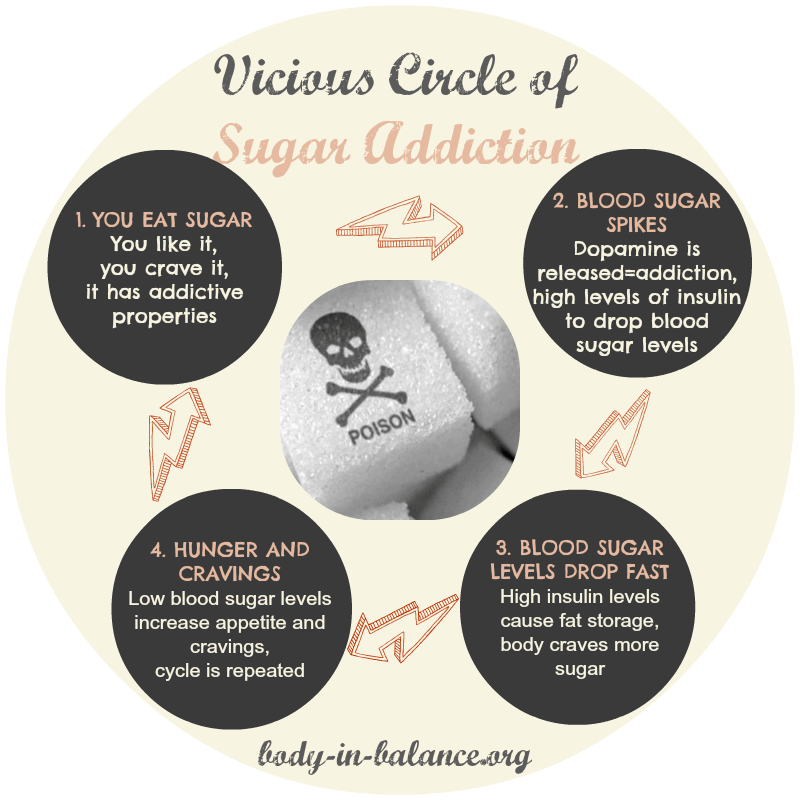
SUGAR VICIOUS CYCLE

Leave a comment


Leave a comment

Latest News: KIDS AND FOOTBALL

Superbowl is this Sunday. As the 100 million viewers tuning in to this Sunday’s Super Bowl can attest, Americans adore football. And for many, the love affair begins in childhood.

Researchers from Boston University School of Medicine found that former National Football League (NFL) players who participated in tackle football before the age of 12 are more likely to have memory and thinking problems as adults. In the latest study, published in the journal Neurology, scientists examined test scores of 42 former NFL players, with an average age of 52, all of whom had experienced memory and thinking problems for at least six months.

Key Takeaway:

Kids who are hitting their heads over and over during this important time of brain development may have consequences later in life.

If you must play, play only flag football. Don’t play tackle football. And for heaven’s sake, wear a helmet to protect your coconuts J


Leave a comment

TIPS FROM FBI ON HANDLING VIRTUAL/FAKE KIDNAPPING

Here’s what the FBI says you should do if you receive a call from someone who claims to have kidnapped your relative:

· Ask to speak to the hostage.

· Ask the kidnapper to describe the hostage.

· Listen to the voice of the kidnap victim.

· Try and get in touch with the hostage through social media, phone calls or text messages to check if they’re OK.

· Make some more time for yourself by repeating the kidnapper’s request back to them, or claim to be writing down what they’re saying.

· Try and avoid arguing with the kidnapper.

· Ask for the hostage to call you from their own phone.

Read more: http://www.businessinsider.com/fbi-warns-of-virtual-kidnapping-scam-in-nyc-2015-1#ixzz3OoHwAvlj


Leave a comment

LATEST NEWS: THE GROWING PROBLEM CALLED CHIKUNGUNYA

Yesterday, driving to work I heard NPR state that there are now 66 cases of Chikungunya in the Dallas area.

Chikungunya is a viral disease transmitted to humans by infected mosquitoes. It causes fever and severe joint pain. Other symptoms include muscle pain, headache, nausea, fatigue and rash. The joint pain is often very debilitating, but usually lasts for a few days or may be prolonged to weeks. Serious complications are not common.

There is no cure for the disease. There is no specific antiviral drug treatment for Chikungunya. Treatment is directed primarily at relieving the symptoms, including the joint pain using anti-pyretics, optimal analgesics and fluids. There is no commercial chikungunya vaccine. Most patients recover fully, but in some cases joint pain may persist for several months, or even years.

PREVENTION

The best means of prevention is overall mosquito control and the avoidance of bites by any infected mosquitoes. The proximity of mosquito breeding sites to human habitation is a significant risk factor for chikungunya. Wearing bite-proof long sleeves and trousers also offers protection.

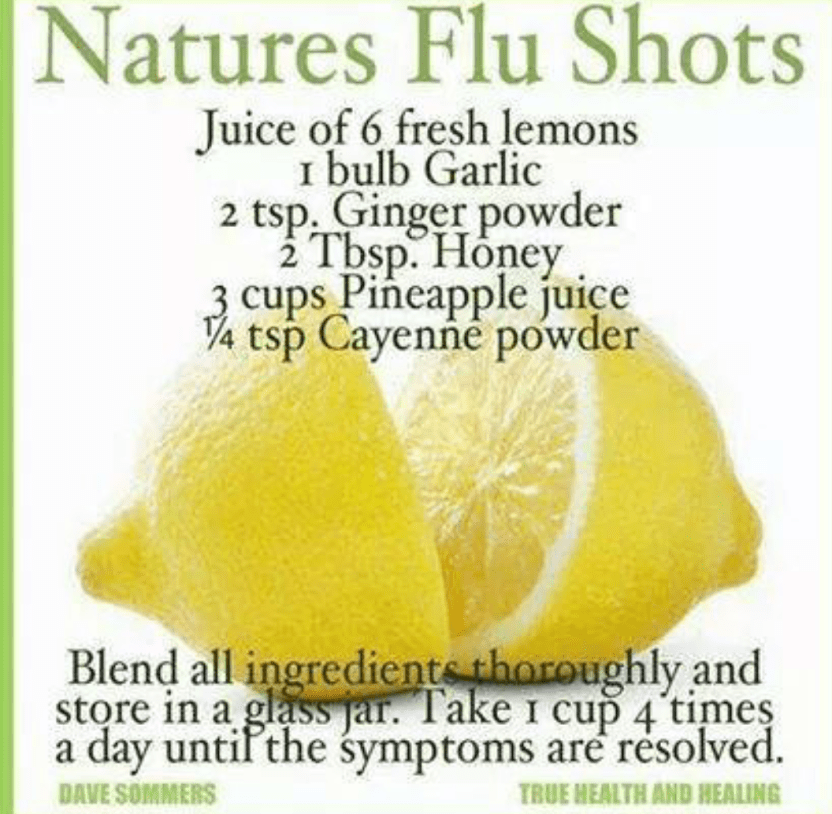
NATURAL FLU REMEDY

Leave a comment


Leave a comment

DEATH FROM ANTI MICROBIAL RESISTANT (AMR) BACTERIA

Here’s what that could look like in the future, when antibiotic-resistant bacteria will kill more people than cancer every year

Source: Healthcare Infection Society UK

In the US, as many as half of antibiotic prescriptions are unnecessary.

American farmers continue to overuse antibiotics in pigs, cattle, and chickens, creating stronger, more resistant bacterial strains.

The problem is worsening quickly.


Leave a comment

WINTRY WEATHER – HOW TO PROTECT YOUR CHILD

This is Accuweather’s prediction for this weekend.

It sounds brutal. Let’s avoid falling sick. Know that.

· Young children generate less body heat, and get cold more quickly than adults.

· It is better to dress your child in layers of clothing that can be put on and taken off easily.

· Infants being pulled in a sled need extra bundling. Because they aren’t moving, they can’t generate body heat the way a playing child can.

TIPS TO MANAGE KIDS IN WINTER

· Children shouldn’t play outside alone. Establish a buddy system. Better yet, avoid outdoors. Never send children outside in extreme weather conditions such as snowstorms.

· Check often to see that your child is warm and dry. Younger children should take regular breaks and come inside for a warm drink.

· If your child’s feet and hands are warm, what they are wearing is usually good. Dress your child in layers of clothing that can be put on and taken off easily. Wear a hat because a lot of body heat is lost through the head. Keep ears covered at all times. Wear mittens and wear warm, waterproof boots that are roomy enough for an extra pair of socks and to wiggle toes. Use a neck warmer instead of a scarf. Remove wet clothing and boots immediately after playing.

· The rule of thumb for older babies and young children is to dress them in one more layer of clothing than an adult would wear in the same conditions.

· If a blanket must be used to keep a sleeping infant warm, it should be tucked in around the crib mattress, reaching only as far as the baby’s chest, so the infant’s face is less likely to become covered by bedding materials.

· Stay away from snowplows and snow blowers.

· Take extra caution when crossing roads. It might be hard for drivers to see you playing if they have snowy or frosty windows. Icy roads can also make it difficult to stop.

· Snowballs should never be aimed at people or cars. They are especially dangerous when the snow is hard-packed or icy.

· Don’t put metal objects in your mouth. Lips and tongues can freeze to the metal and cause an injury.

· Don’t eat snow, which can be dirty.

· Never sled on or near roadways. Look for shallow slopes that are free of trees, fences or any other obstacles.

· If frostbite occurs, bring the child indoors and place the frostbitten parts of her body in warm (not hot) water. 104° Fahrenheit (about the temperature of most hot tubs) is recommended. Warm washcloths may be applied to frostbitten nose, ears and lips. Do not rub the frozen areas. After a few minutes, dry and cover the child with clothing or blankets. Give him/her something warm to drink.

· If your child suffers from winter nosebleeds, try using a cold air humidifier in the child’s room at night. Saline nose drops or petrolatum may help keep nasal tissues moist.

· Children 6 months of age and up should get the influenza vaccine to reduce their risk of catching the flu.

· If you suspect your child is hypothermic, call 911 at once. Until help arrives, take the child indoors, remove any wet clothing, and wrap him in blankets or warm clothes.

Stay safe.

Source: Multiple including NIH, Healthychildren


Leave a comment

THIS VIDEO WILL BLOW YOUR MIND AND MAKE YOU LAUGH AND LEARN AT THE SAME TIME


Leave a comment

WHAT YOU NEED TO KNOW BEFORE YOUR TRIP TO INDIA

Traveling abroad doesn’t have to be confusing if you know the right things before you go.

BEFORE YOUR TRIP:

  1. Make sure you are up-to-date on routine vaccines before every trip. These vaccines include measles-mumps-rubella (MMR) vaccine, diphtheria-tetanus-pertussis vaccine, varicella (chickenpox) vaccine, polio vaccine, and your yearly flu shot.
  2. CDC recommends Hepatitis A vaccine since it spreads through contaminated food or water in India.
  3. You may also get typhoid through contaminated food or water in India. CDC recommends this vaccine for most travelers, especially if you are staying with friends or relatives, visiting smaller cities or rural areas.
  4. Rabies can be found in dogs, bats, and other mammals in India, so CDC recommends this vaccine. Children tend to play with animals and are more likely to have animal bites on their head and neck.
  • Malaria Risk Areas: All areas throughout the country, including cities of Bombay (Mumbai) and Delhi, except none in areas >2,000 m (6,561 ft) in Himachal Pradesh, Jammu and Kashmir, and Sikkim. Malaria drugs are not 100% effective, and other diseases (such as dengue, leishmaniasis, and trypanosomiasis) also are spread by insects, so children (and their parents!) need to avoid bug bites. Children should wear bug spray and long pants and sleeves. At night, children should sleep in screened, air-conditioned rooms or under a bed net.
  • Japanese Encephalitis Risk Areas: Human cases reported from all states except Dadra, Daman, Diu, Gujarat, Himachal Pradesh, Jammu and Kashmir, Lakshadweep, Meghalaya, Nagar Haveli, Punjab, Rajasthan, and Sikkim. Highest rates of human disease reported from the states of Andhra Pradesh, Assam, Bihar, Goa, Haryana, Karnataka, Kerala, Tamil Nadu, Uttar Pradesh, and West Bengal. Most human cases reported May–October, especially in northern India; the season may be extended or year-round in some areas, especially in southern India.
  • Chikungunya and Dengue are also transmitted by mosquito bite during the day and night, both indoors and outdoors that often live around buildings.
  • Diarrhea is the most common illnesses experienced by children who are traveling. For infants, the best way to prevent diarrhea is breastfeeding. Older children should follow basic food and water precautions: eat only food that is cooked and served hot, peel fresh fruits and vegetables or wash them in clean water, and drink only beverages from sealed containers or water that has been boiled or treated. Children should wash their hands or use alcohol-based hand cleaner frequently.

Car crashes are the leading cause of death in children who travel, and drowning is the second-leading cause of death. Children should always ride in age-appropriate car seats when traveling.

PACKING FOR YOUR TRIP

MUST

  • Your prescriptions
  • Consider packing spare glasses or contact lenses
  • Diabetes testing supplies
  • Insulin
  • Inhalers
  • Epinephrine auto-injectors (EpiPens)
  • Antacid
  • Diarrhea medicine: like loperamide [Imodium] or bismuth subsalicylate [Pepto-Bismol]
  • Antihistamine
  • Medicine for pain and fever: Examples: acetaminophen, aspirin, or ibuprofen
  • Saline nose spray
  • Alcohol-based hand sanitizer containing at least 60% alcohol or antibacterial hand wipes
  • insect repellent based on CDC recommendations
  • Sunscreen
  • child safety seats, bicycle helmets
  • 1% hydrocortisone cream
  • Antifungal ointments
  • Antibacterial ointments
  • Antiseptic wound cleanser
  • Mosquito repellent
  • Health insurance card (your regular plan and/or supplemental travel health insurance plan) and copies of claim forms
  • Copies of all prescriptions including generic name
  • Carry a contact card containing the street addresses, phone numbers, and e-mail addresses of US embassy, family members, hospitals.
  • An electrical adapter to change voltage for any appliances brought from America
  • some non perishable snacks
  • Traveler’s checks and enough cash, keep them in separate places. An ATM card is also convenient.

OPTIONAL

  • Travelers’ diarrhea antibiotic
  • Medicine to prevent malaria
  • Water purification tablets
  • Bed net
  • Disposable gloves
  • Digital thermometer
  • Scissors and safety pins
  • Cotton swabs (Q-Tips)
  • Tweezers
  • Eye drops
  • Oral rehydration salts
  • A small flashlight
  • You may also want to bring a money belt, or thin wallet to keep in your front pocket.
  • Combination lock

DURING YOUR TRIP

  • Eat Food that is cooked and served hot and Pasteurized dairy products.
  • Avoid Room temperature food and Food from street vendors
  • Drink Bottled water that is sealed or Water that has been disinfected. If you buy water from a vendor in the streets, make sure the lid is still on properly.
  • Avoid Tap or well water or Ice made with tap or well water.
  • Cover exposed skin by wearing long-sleeved shirts, long pants, and hats.
  • Use an appropriate insect repellent and Use a bed net if the area where you are sleeping is exposed to the outdoors
  • Heat-related illness, such as heat stroke, can be deadly. Eat and drink regularly, wear loose and lightweight clothing, and limit physical activity during high temperatures. Use sun-screen.
  • Schistosomiasis and leptospirosis, infections that can be spread in fresh water, are found in India. Avoid swimming in fresh, unchlorinated water, such as lakes, ponds, or rivers.
  • Some diseases in India—such as dengue, filariasis, and leishmaniasis—are spread by bugs and cannot be prevented with a vaccine.
  • Do not touch or feed any animals you do not know.
  • Review your health insurance plan to determine what medical services it would cover during your trip. Consider purchasing travel health and medical evacuation insurance.
  • Carry a card that identifies, in the local language, your blood type, chronic conditions or serious allergies, and the generic names of any medications you take.
  • Be smart when you are traveling on foot. Pay attention to the traffic around you, especially in crowded areas.
  • Enroll in the Smart Traveler Enrollment Program (STEP)
  • Leave a copy of your itinerary, contact information, credit cards, and passport with someone at home.
  • Carry contact information for the nearest US embassy or consulate
  • Carry a photocopy of your passport and entry stamp; leave the actual passport securely in your hotel.
  • Stay at a trustworthy place.

AFTER YOUR TRIP

  • See your doctor if you or your child is feeling sick. Tell them about the potential exposures that you may have had (including TB patients, malarial location, animal contacts) etc.

Source: Multiple including CDC


Leave a comment

WHICH TOY IS DANGEROUS FOR MY CHILD?

Researchers found that between 1990 to 2011, the number of hospital emergency room cases related to toys increased from 121,249 to 195,363.

Top culprits:

· scooters had injury rates of 40 percent

· Other common culprits included toy food and toy guns.

KEY TAKEAWAY

Parents need to be aware of the precautions that should be taken for certain toys to help prevent an injury.

· Children should be supervised at all times

· Keep floors free of toys and obstructions that can be tripped over

· Always use a securely fitted safety harness in a pram, pushchair or highchair

· Never leave babies unattended on raised surfaces

· Do not place baby bouncers on raised surfaces – they could fall off with the movement of the baby

· The use of baby-walkers and table-mounted high chairs is not recommended.

· Buy toys only from recognized outlets;

· Make sure the toy is suitable for the child, check the age range;

· Be particularly careful with toys for children under three;

· Be wary of young children playing with older children’s toys;

· Check for loose hair and small parts, sharp edges and points;

· Ensure that garden swings and slides are robust and are not a strangulation hazard;

· Check toys regularly for wear and repair or dispose of them where necessary;

· Follow the instructions and warnings provided with toys;

Children differ in their rate of development but the information below is a guide to development stages:

Age Development Advice
0-6 months Wriggle and kick, grasp, suck, roll over. Do not leave on a raised surface.
6mths-1 yr Stand, sit, crawl, put things in mouth. Keep small objects and dangerous substances out of reach
1-2 years Move about, reach things high up, and find hidden objects, walk, and climb. Never leave alone, place hot drinks out of reach, use a fireguard and stair gates
2-3 years Be adventurous, climb higher, pull and twist things, watch and copy. Be a good role model and be watchful. Place matches and lighters out of sight and reach.
3-4 years Use grown-up things, be helpful, understand instructions, be adventurous, explore, walk downstairs alone. Continue to be a good role model, keep being watchful but start safety training.
4-5 years Play exciting games, can be independent, ride a bike, enjoy stories They can actually plan to do things and carry it out. Rules are very important to them, as long as everybody keeps to the same ones. They enjoy learning. Continue safety training.
5-8 years Will be subject to peer pressure and will still forget things. Still need supervision, guidance and support.

SOURCE: The study was published in the journal, Clinical Pediatrics., http://www.rospa.com


Leave a comment

RESURGENCE OF A DEADLY PREVENTABLE DISEASE

according to a recent paper in the New England Journal of Medicine, Globally, more than 20 million people still get measles each year; about 122,000 of them die.

Troublingly, The number of people unvaccinated for "non-medical" reasons is creeping up.

The non-vaccination folks are causing a resurgence of measles in US.

Measles is one of the most contagious diseases humanity has ever seen. While each case of Ebola, for example, leads to about 1-2 additional cases, a single case of measles can cause up to 18 secondary infections.

PARENTS – Think hard. Don’t BLINDLY subscribe to the Conspiracy theory on vaccines. Vaccinate.

Source: BI, NEJM, NPR

HOW TO PREVENT GERMS THIS WINTER

Leave a comment


Leave a comment

DOCTOR’S MOTTO

Especially in the Ebola climate.


Leave a comment

LATEST NEWS: AIR POLLUTION IS A SGNIFICANT CONCERN FOR AUTISM

Living in an area with high levels of air pollution may increase a woman’s chances of having a child with autism, according to the first national study.

NEWEST STUDY: A recent study conducted in Western Pennsylvania. The study studied which certain air pollutants may place a child at an increased risk for developing autism spectrum disorder (ASD). This specific region was chosen for the study as a consequence of the high number of cases reported in the area along with certain environmental factors being especially present.

The researchers found links between increased levels of chromium and styrene and childhood autism spectrum disorder, a condition that affects one in 68 children. Children who fell into higher exposure groups of styrene and chromium were at a 1.4- to two-fold greater risk of ASD, after accounting for the age of the mother, maternal cigarette smoking, race and education.

Styrene is used in plastics and paints and is a product of combustion from burning gasoline in vehicles. Air pollution containing chromium is typically the result of the industrial process from industries such as steel manufacturing. Other air pollutants – including cyanide, methylene chloride, methanol and arsenic – were also linked to increased autism risk in children.

SECOND STUDY: Earlier studies have established a potential connection between air pollution and autism risk, but have concentrated on a few individual states. The latest study, published in the journal Environmental Health Perspectives on Tuesday, draws on a large sample of women across the whole country.

HARVARD MAY-14 STUDY: Children in the Harvard research were from Utah and all other states in the nation, born between 1987 and 2002, and studied to correlate pollution levels in the area where the mother lived while pregnant. Data showed that the children who developed autism were statistically more likely to have been exposed to high levels of air pollution in the womb. Children in the womb are known to be susceptible to neurological or genetic damage when exposed to heavy metals and diesel exhaust pollutants.

USC 2013 STUDY: Exposure to air pollution appears to increase the risk for autism among people who carry a genetic disposition for the neurodevelopmental disorder. Air pollution exposure was determined based on the past residences of the children and their mothers, local traffic-related sources, and regional air quality measures.

TAKEAWAY: IF YOU HAVE YOUNG KIDS OR ARE PREGNANT, LIMIT ANY EXPOSURE TO AIR POLLUTION

Source: EHP, Harvard, USC, Univ of Pittsburg

HOW TO CHECK THE FRESHNESS OF YOUR EGG

Leave a comment


Leave a comment

PRACTICAL TIPS ON TEENS AND DRIVING

October 19-25 is Teen Driver Safety Week, and it’s a great time for parents to talk to their teen drivers about the risks they face.

FACTS:

  • · Motor vehicle crashes are the leading cause of death for teens 14-18 in America.
  • · Newly licensed teens: Crash risk is particularly high during the first months of licensure.
  • · 56% of teens said they talk on the phone while driving.
  • · Only 44% of teens said they would definitely speak up if someone were driving in a way that scared them.
  • · Statistics show that 16 and 17-year-old driver death rates increase with each additional passenger.

Every parent should talk to their teens about the rules of safe driving, but a recent survey shows that only 25 percent of parents have done so.

Eight Danger Zones: Make sure your young driver is aware of the leading causes of teen crashes:

  • · Driver inexperience
  • · Driving with teen passengers
  • · Nighttime driving
  • · Not using seat belts
  • · Distracted driving
  • · Drowsy driving
  • · Reckless driving
  • · Impaired driving

WHAT DO I DO?

The National Highway Traffic Safety Administration has teamed up with state and local highway safety and law enforcement organizations on the teen driver safety campaign “5 to Drive.”

1. No Drinking and Driving. Compared with other age groups, teen drivers are at a greater risk of death in alcohol-related crashes.

2. Buckle Up. Every Trip. Every Time. Front Seat and Back. In 2012, of all the young (15- to 20-year-old) passenger vehicle drivers killed in crashes, more than half (55%) of those killed were not wearing seat belts.

3. Put It Down. One Text or Call Could Wreck It All. In 2012, among drivers 15 to 19 years old who were distracted in fatal crashes, nearly 1 in 5 were distracted by their phones. This age group had the highest percentage of drivers distracted by phone use. Don’t allow activities that may take your teen’s attention away from driving, such as talking on a cell phone, texting, eating, or playing with the radio.

4. Stop Speeding Before It Stops You. In 2012, speeding was a factor in almost half (48 percent) of the crashes that killed 15- to 20-year-old drivers. By comparison, 30 percent of all fatal crashes that year involved speeding.

5. No More Than One Passenger at a Time. Extra passengers for a teen driver can lead to disastrous results. Research shows that the risk of a fatal crash goes up in direct relation to the number of teens in a car. The likelihood of teen drivers engaging in risky behavior triples when traveling with multiple passengers.

6. Provide at least 30 to 50 hours of supervised driving practice over at least six months. Make sure to practice on a variety of roads, at different times of day, and in varied weather and traffic conditions. This will help your teen gain the skills he or she needs to be safe. Help your teen avoid insufficient scanning. Stress the importance of continually scanning for potential hazards including other vehicles, bicyclists, and pedestrians.

7. Make sure your teen is off the road by 9 or 10 p.m. for at least the first six months of licensed driving.

8. Be sure your teen is fully rested before he or she gets behind the wheel.

9. Make sure your teen knows to follow the speed limit and adjust speed to road conditions. Remind your teen to maintain enough space behind the vehicle ahead to avoid a crash in case of a sudden stop.

10. Be a good role model: don’t drink and drive, and reinforce this message with your teen.

11. Sign a Teen Driving agreement: http://www.cdc.gov/ParentsAreTheKey/pdf/Parent_Teen_Driving_Agreement-a.pdf

For more information about Teen Driver Safety Week and the “5 to Drive” campaign visit www.safercar.gov/parents, CDC and others

Check out: http://driveithome.org/ and http://www.dmv.org/tx-texas/teens/