A holistic approach to pediatric care in Frisco and Plano, Texas

Award winning, top rated Pediatrician serving Frisco, Plano, Allen and North Dallas


Leave a comment

SHAME ON THE MARKETEERS FOR POISONING OUR KIDS

SHAME ON THE MARKETEERS

REALITY

First it was Tobacco, which shamelessly peddled its cancer causing nicotine spiked sticks to children.

Next we had sodas and energy drinks mixing unhealthy amount of sugar and caffeine (both addictive) and marketed it shamelessly to kids.

Then we had melamine tainted milk products which killed both pets and scores of children in China.

That was followed by a blend of ground beetles added by Starbucks just to pretty up its drink.

Now we have the chewing gum industry going after our children with Caffeine laden gums.

A growing number of caffeine-added food and beverage products are also being marketed by companies looking to tap into the fast-growing kids “energy” products market. Example: Jelly Belly Extreme Sport Beans and Frito-Lay’s Cracker Jack’D.

Will they ever stop? Don’t they have a conscience?

According to the FDA and Reuters, the number of chemicals in the food supply has risen from fewer than 2,000 to an estimated 10,000, many of which are never reviewed by the FDA. It also cited research by the Pew Charitable Trusts showing that at least 3,000 chemicals used in food/beverages have never been reviewed by the FDA. Could they cause Autism, cancer or other mental ailments? You bet it could.

And do you think these food manufacturers care?

WHAT CAN YOU DO?

If it comes come a plant, eat it; if it is made in a plant, avoid it.

Want to read more? Check out

Chemicals in Our Food: What We Don’t Know May Be Hurting Us

”Brominated Vegetable Oil in Gatorade?”

”If the food’s in plastic, what’s in the food?”

Food Chemical Regulations Rely Heavily on Industry Self-Policing and Lack Transparency


Leave a comment

News Flash – Bacon

Don’t Bring Home the Bacon

By TARA PARKER-POPE, MAY 19, 2010, 1:54 PM

Research, published this week in the journal Circulation, is an indictment of processed meats like bacon, sausage and deli meats. Eating one serving of those foods a day was associated with a 42 percent higher risk of heart disease and 19 percent increased risk of diabetes. But there was no increase in risk associated with eating unprocessed red meat.

The findings come from a broad analysis of several studies tracking meat consumption and cardiovascular diseases and diabetes. Processed meats include bacon, salami, sausages, hot dogs or processed deli or luncheon meats.

Notably, the culprit in processed meats wasn’t the saturated fat or cholesterol — both whole cuts of meat and processed meats contained the same amount per serving. The big differences were the levels of sodium and chemical preservatives. Processed meats had about four times more sodium and 50 percent more nitrate preservatives than unprocessed meats.

The study suggests meats like burgers and steaks have been wrongly implicated in heart disease. But that mistake likely occurred because the people who eat a lot of meat also tend to consume high amounts of bacon, hot dogs and other processed meats.

While it’s true that the study will make it easier to enjoy a burger, at least if we’re worried about our heart, it doesn’t address research that has linked an increased risk of colon cancer with high meat consumption. In addition, many people skip red meat not for personal health reasons but because they are concerned about the health of the planet.

Livestock account for 18 percent of all greenhouse gas emissions. Compared with a burger, a peanut butter and jelly sandwich saves as much as 2.5 pounds of carbon dioxide, 280 gallons of water and 50 square feet of land, according to the Web site PBJCampaign.org

And for more on the nonhealth reasons to cut back on red meat, read this story by the Times food writer Mark Bittman, “Rethinking the Meat Guzzler.”

(Originally published in NY times – http://well.blogs.nytimes.com/2010/05/19/dont-bring-home-the-bacon/)


2 Comments

DO MMR VACCINE CAUSE AUTISM?

BMJ: Wakefield Paper Alleging Link between MMR Vaccine and Autism Fraudulent

January 6, 2011 by Project Staff
In the wake of a paper published in the Lancet in 1998, vaccination rates in Britain plummeted. The lead author of the paper, Andrew Wakefield, rose to prominence as a result of his claims that the combination measles, mumps, and rubella (MMR) vaccine had caused autism in the 12 children in the study, and frightened parents began to delay or completely refuse vaccination for their children, both in Britain and the United States. Since then, outbreaks of previously eliminated diseases have sickened and killed children in both countries.Over the next twelve years, the possibility of a link between MMR and autism was studied exhaustively. No reputable, relevant study confirmed Wakefield’s findings; instead, many well-designed studies have found no link between MMR and autism.In 2004, the Lancet stated that it should not have published Wakefield’s paper, with then-editor Dr. Richard Horton noting that Wakefield had a “fatal conflict of interest” when conducting the research. The majority of the co-authors of the study subsequently retracted the findings in the paper, and in 2010, the Lancet formally retracted the paper itself.Three months later, in May 2010, Britain’s General Medical Council banned Wakefield from practicing medicine in Britain, stating that he had shown “callous disregard” for children in the course of his research. The council also cited previously uncovered information about Wakefield’s research being partially funded by lawyers hoping to sue vaccine manufacturers on behalf of parents of children with autism.

On Wednesday, January 5, the British Medical Journal published a report by Brian Deer, a British journalist who had previously reported on flaws in Wakefield’s work. For this new report, Deer spoke with parents of children from the retracted study and found evidence that Wakefield actually committed research fraud by falsifying data about the children’s conditions.

Specifically, Deer reports that while the paper claimed that eight of the study’s 12 children showed either gastrointestinal or autism-like symptoms days after vaccination, records instead show that at most two children experienced these symptoms in this time frame. Additionally, while the paper claimed that all 12 of the children were “previously normal” before vaccination with MMR, at least two had developmental delays that were noted in their records before the vaccination took place.

After examining the records for all 12 children, Deer noted that the statements made in the paper did not match numbers from the records in any category: the children having regressive autism; non-specific colitis; or first symptoms within days after receiving the MMR vaccine. The Lancet paper claimed that six of the children had all three of these conditions; according to the records, not a single child actually did. (See a table that breaks down the comparison between the Lancet numbers and the medical records here.)

In an accompanying editorialBMJ editor in chief Fiona Godlee and co-authors Jane Smith and Harvey Marcovitch examine the damage to public health caused by a tiny study based on parental recall with no control group – a study that turned out to be almost entirely fraudulent, but whose impact continues to this day.

Although the findings of Wakefield’s paper have long been discredited by scientists, the evidence that the data itself was falsified makes this report by the BMJ a landmark moment in the history of vaccines. Evidence is strong that this study should not have been published not merely because it was poorly conducted, but instead because it was a product of research fraud. After more than 12 years of panic, fear, and confusion over the possibility of autism being linked to vaccines, this “MMR scare” chapter of vaccine history may finally draw to a close.

In addition to the British Medical Journal’s report and accompanying editorial, news outlets worldwide have devoted time to coverage of this story. Links to some of this coverage are provided below.

Brian Deer’s report at the British Medical Journal, “How the case against the MMR vaccine was fixed” —http://www.bmj.com/content/342/bmj.c5347.full

Accompanying editorial by Fiona Godlee, Jane Smith, and Harvey Marcovitch, “Wakefield’s article linking MMR vaccine and autism was fraudulent” — http://www.bmj.com/content/342/bmj.c7452.full

MedPage Today’s coverage of the BMJ report by John Gever, “BMJ Lifts Curtain on MMR-Autism Fraud” —http://www.medpagetoday.com/Pediatrics/Autism/24203

CNN’s coverage via Anderson Cooper 360:

ABC News:


Leave a comment

HIGH SPF, BETTER SUNSCREEN RIGHT? NOT!

HIGH SPF, BETTER SUNSCREEN RIGHT? NOT!

MYTHS

You may believe that higher the SPF factor on your sunscreen, the longer you can stay out in the sun without a risk of sunburn.

SPF numbers like 100 or 150 can give users a false sense of security.

You may also believe that SPF 100 is twice as effective as SPF 50.

Since one in 4 sunscreen products are spray, you may believe that they are just as safe as regular sun lotion.

REALITY

Being out of sun’s harmful UV rays is important. In 2013 alone, per National Cancer Institute, more than 76,000 men and women in the U.S. will be diagnosed with melanoma and 9,480 are expected to die from the aggressive form of skin cancer. The disease, which is often linked to ultraviolet exposure, is usually curable when detected early.

The SPF number indicates the amount of sun exposure needed to cause sunburn on sunscreen-protected skin compared with unprotected skin.

For example, a SPF rating of 50 means it would take the person 50 times longer to burn wearing sunscreen than with exposed skin.
However high SPF numbers are just a gimmick.
Where an SPF 50 product might protect against 97 percent of sunburn-causing rays, an SPF 100 product might block 98.5 percent of those rays.

In 2011, FDA said that “labeling a product with a specific SPF value higher than 50 would be misleading to the consumer.”

SO WHAT SHOULD YOU DO?

  • · Avoid sunscreens labeled with > 30 (higher) SPF factor. They have no significant benefits. Most people don’t need more than an SPF 30. They should reapply it every couple of hours.
  • · Avoid those labeled “waterproof”. You still need to reapply in a few hours to protect your skin.
  • · Use sunscreen in combination with hats, clothing and shade, which provide better protection against ultraviolet radiation.
  • · FDA is also reviewing spray-on sunscreen to look at whether the sprays can be harmful when inhaled. Don’t buy spray or powder. Use lotions instead.
  • · Avoid products that include oxybenzone (found in 80 percent of chemical sunscreens), which can penetrate the skin, cause allergic reactions, possibly disrupt hormones, and may have a link to a risk of endometriosis and low birth weights.
  • · Avoid retinyl palmitate, a form of anti-oxidant vitamin A that has been said to slow skin aging. It’s been found to possibly speed the development of skin tumors and lesions when applied to the skin in the presence of sunlight.
  • · Safer options block sun with low-risk ingredients such as zinc oxide, avobenzone or Mexoryl SX. Find a complete list of chemicals and their risks here.

EWG’s List of Best Sunscreens (with average prices):

Belly Buttons & Babies Sunscreen Lotion, SPF 30

Purple Prairie Botanicals Sun Stick, Unscented, SPF 30

Vanicream Sunscreen, SPF 30

Vanicream Sport Sunscreen, SPF 35

Vanicream Sunscreen, SPF 50+


EWG’s List of Worst Sunscreens:

Well at Walgreens Sport Continuous Spray Sunscreen, SPF 50

Vichy Capital Soleil Soft Sheer Sunscreen Lotion, SPF 60

up & up Sport Sunscreen Lotion, SPF 50

Trader Joe’s Nourish Spray Sunscreen, SPF 50+

Rite Aid Wet Skin Kids Continuous Spray Sunscreen, SPF 70

Neutrogena Wet Skin Spray Sunscreen, SPF 50


1 Comment

SAVE YOUR TEEN

SAVE YOUR TEEN BY TALKING TODAY

Can you guess the number 1 reason for death among teens? Drugs? Alcohol? Smoking? fast driving? sports?

NOPE.

It is TEXTING AND DRIVING

STUDY

Nearly 43 percent of high school students of driving age who were surveyed in 2011 reported texting while driving at least once in the past 30 days, according to a study to be presented Saturday, May 4, at the Pediatric Academic Societies (PAS) annual meeting

Motor vehicle accidents are the leading cause of death among teenagers, and using a phone while driving significantly increases the risk of accidents in this age group. The specific act of texting while driving has been found to raise the risk of a crash by 23 times, leading many to conclude that texting while driving is more dangerous than driving while intoxicated.

Males were more likely to text while driving than females (46 percent vs. 40 percent), and the prevalence of texting increased with age (52 percent of those over 18 years; 46 percent of 17-year-olds; 33 percent of 16-year-olds; and 26 percent of 15-year-olds).

CORRELATION

Teens who reported texting while driving were more likely to engage in other risky behaviors such as driving under the influence of alcohol, having unprotected sex and using an indoor tanning device.

Researchers also found that state laws banning texting while driving had little effect: 39 percent of teens reported texting in states where it is illegal.

MORE DATA

WHAT CAN YOU DO ABOUT IT?

Talk to you child about “texting while driving” TODAY.

Be Strict. “If you do text while driving, you will lose the prevelidge of driving.”


Leave a comment

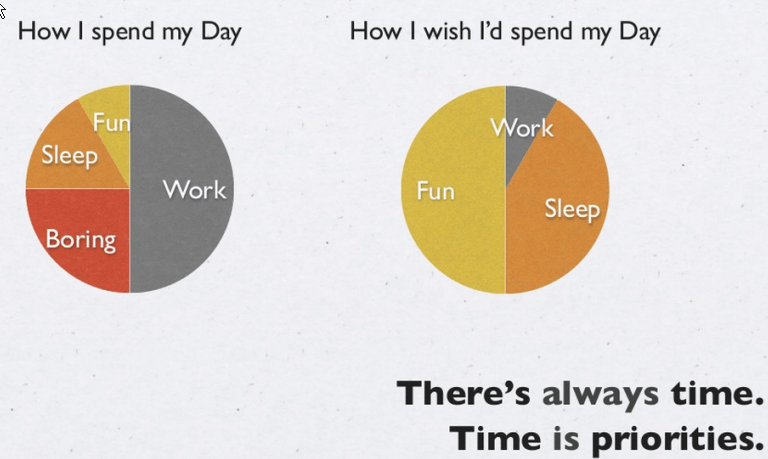
TIMELESS ADVICE TO TEENAGERS ON TIME MANAGEMENT

How often have you heard parents bemoan that their high school child is sleeping at 2 or 3 in the morning?

Studies have repeatedly shown that lack of sleep affects concentration, cognitive ability, asthma, obesity and other health problems.

Then why do we perpetuate this practice?

If you ask teens they will say “I don’t have time”

REALLY?

Read on this interesting piece below …..

ADVICE FOR THE TEENS

Stop multi-tasking. It kills focus. Computer on your study desk is a time killer. Don’t text, IM, facebook or skype while working.

Context switching kills. Keep one context through your work.

Only plan for 4-5 hours of real work per day. Days always fill up. Do today’s homework today.

Start of work is always more challenging than the work itself. Doing is better than perfection. Think iterative working.

Break unreasonable deadline into reasonable chunks.

Put big things first. Always prioritize. Only work on things that will have the biggest impact.

It is normal to have days where you just can’t work and days where you’ll work 12 hours straight

(Work more when you are in the zone and relax when not)

Block out time for focused work.

Respect your time and make it respected. Assume it cost $1000 per hour.

You are always more focused and productive with limited time.

More working hours doesn’t mean more productivity

Separate brainless and strategic tasks to become more productive

Don’t think about yesterday or tomorrow. Yesterday’s home runs don’t win today’s games. – Babe Ruth

Set deadlines for everything. Especially for stressful activities. That way everything has an end.

Write down anything that distracts you.

Take breaks and sleep more.


Leave a comment

YET ANOTHER MONTH AND YET ANOTHER MEAT SCARE

Given the propensity of meat to decay quickly and with meats being mass produced, it is no wonder that we have more and more incidences of health violations.

Message for us: Think twice about adding store bought meats to our diet.

Antibiotic-resistant bacteria found in ground turkey in 21 states, report finds

Published May 01, 2013

Reuters

·

Dangerous antibiotic-resistant bacteria has been found in ground turkey on U.S. grocery shelves across a variety of brands and stores located in 21 states, according to a report by a consumer watchdog organization.

Of the 257 samples of ground turkey tested, more than half were found to be positive for fecal bacteria and overall, 90 percent were contaminated with one or more types of disease-causing organisms, many of which proved resistant to one or more common antibiotics, Consumer Reports found.

The non-profit, independent product-testing organization said in the June issue of its magazine that the sampling marked the first time it had conducted a laboratory analysis of ground turkey, a popular consumer alternative to hamburger. It was alarmed by the results.

“Some bacteria that end up on ground turkey, including E. coli and staph aureus, can cause not only food poisoning but also urinary, bloodstream, and other infections,” said a Consumer Reports statement on its findings.

The group said it samples ground turkey from 27 different brands including major and store brands.

Turkeys, like other livestock in the United States, are commonly given repeated low doses of antibiotics in an effort to keep the animals healthy and help promote growth. But there has been growing concern that widespread use of antibiotics in animals that are not sick is speeding the development of antibiotic resistance.

The National Turkey Federation said the findings were sensationalized on a sampling that was “extremely small,” and said that blaming use of antibiotics in animals was “misleading.”

“There is more than one way they (harmful bacteria) can wind up on food animals,” said National Turkey Federation vice president Lisa Picard. “In fact, it’s so common in the environment, studies have shown that generic E.coli and MRSA (Methicillin-resistant Staphylococcus aureus) can even be found on about 20 percent of computer keyboards.”

The U.S. Food and Drug Administration also found widespread contamination, discovering antibiotic resistant E coli, salmonella and other harmful bacteria in turkey, ground beef, pork chops and chicken in sampling done in 2011.

The food safety regulator says resistance of bacteria to antibiotics is “a major public health threat,” and last year issued voluntary guidelines for animal health and animal agriculture industries aimed at limiting the antibiotic use in livestock. The agency has rebuffed efforts to mandate reduced usage, however.

U.S. Rep. Louise Slaughter, a New York Democrat, last month reintroduced legislation that would ban non-therapeutic uses of eight types of antibiotics in food animal production.

The Centers for Disease Control and Prevention also has issued a warning about antibiotic resistance infections, saying they are becoming increasingly difficult to treat and more infected people are likely to die.

“Humans don’t consume antibiotics every day to prevent disease and neither should healthy animals,” said Dr. Urvashi Rangan, Director of the Food Safety and Sustainability Group at Consumer Reports. “Prudent use of antibiotics should be required to stem the public health crisis generated from the reduced effectiveness of antibiotics.”



BEWARE OF MEATS

BEWARE OF MEATS

STUDY:

According to the National Antimicrobial Resistance Monitoring System, or NARMS, Retail Meat Annual Report,

· raw ground turkey tested, 81% was contaminated with antibiotic-resistant bacteria.

· Antibiotic-resistant bacteria were found in some 69% of pork chops, 55% of ground beef.

· Of the chicken tested, 53% was tainted with an antibiotic-resistant form of E.coli,

In the meat NARMS tested, scientists found significant amounts of salmonella and Campylobacter — bacteria that cause millions of cases of food poisoning a year.

Between 1998 and 2010, chicken products, including roasted, grilled and ground chicken, were definitively linked to 452 outbreaks of foodborne illness and 6,896 cases of illness in the United States (Center for Science in the Public Interest).

Antibiotics are used in livestock to prevent disease, but they are also used as a protective agent and to help growth. Some 29.9 million pounds of antibiotics were sold in 2011 for meat and poultry production, compared with the 7.7 million sold for human use, according to the Pew Charitable Trusts, and that number has been on the rise.

Beware of the Meat caucus which would try to subdue/spin this report or minimize the effect.

SO WHAT CAN YOU DO?

The Environmental Working Group would like the FDA to regulate antibiotic use in meat better. Currently, the FDA only offers suggested guidelines, according to the group. Voice to FDA to keep your meat anti-biotics free.

Certain strains of E.coli can cause urinary tract infections, pneumonia and other illnesses. Antibiotic resistance means if you were to become ill, doctors would have fewer drug options to treat you.

Avoid meat if you can. If not, thorough cooking can kill bacteria, and washing your hands before and after touching meat can prevent the spread of disease.

ALSO READ

http://www.livescience.com/16320-foodborne-illness-listeria-cantaloupe-infographic.html


Leave a comment

LIPSTICK AND KIDS

LIPSTICK AND KIDS

STUDY

Testing of 32 commonly sold lipsticks and lip glosses found they contain lead, cadmium, chromium, aluminum and five other metals — some at potentially toxic levels, according to researchers at the University of California-Berkeley’s School of Public Health. Its findings appear in the peer-reviewed journal Environmental Health Perspectives.

"This study is saying, ‘FDA, wake up and pay attention,’ "

When not blotted on tissue or left as kiss marks, lipstick and lip gloss are ingested or absorbed by the user. For even the average user, the study found that some of the lipsticks could result in excessive exposure to chromium, a carcinogen linked to stomach tumors.

WHAT CAN YOU DO ABOUT IT?

Use less. Especially, don’t use beauty products on kids.

Since no level of lead exposure is considered safe for children, we discourages kids from playing with lipstick or using it for beauty contests or as substitute for candy.


Leave a comment

A NEW TREND IN ADDICTION AMONG KIDS

A NEW TREND IN ADDICTION AMONG KIDS

STUDY:

A study from Drugfree.org suggest that only 14% of the parents have discussed abuse of prescription drugs with their kids. One in four teens in the study said they had misused or abused a prescription drug at least once. One in eight teens report misusing or abusing the drugs Ritalin or Adderall. Some parents didn’t see a significant risk in teens misusing prescription drugs. More shockingly, some kids are having “skittles parties,” where the teens throw all the pills they poach from home into a big bowl, mix them up and then take a few without knowing exactly what they were ingesting.

WHAT CAN YOU DO?

Talk to your kid about the dangers and risk of prescription drugs. They are just as potent and in some cases, more deadly a chemical than street drugs.

Lock away unsafe drugs in a cabinet and keep track of it.

Keep an eye on your kid’s habit and know their friends. As the famous saying goes “You are, the company you keep”.

For more read “The Partnership at Drugfree.org


Leave a comment

1 SODA – ONE SWEET DEATH SENTENCE

European Study confirms earlier American study results that 12 Ounces of Sugary Soda a Day Raises Diabetes Risk by 22%!!!

STUDY:

The finding in the journal Diabetologia is based on an analysis of data collected from more than 28,000 people in Denmark, France, Germany, Italy, the Netherlands, Spain, Sweden and the United Kingdom.

The study found an association between consumption of sugar-sweetened soft drinks and heightened risk of type 2 diabetes. Consumption of pure or diluted fruit juice was not significantly associated with diabetes risk, according to the report.

The 22 percent increased risk of diabetes among Europeans who drink sugar-sweetened soft drinks is similar to previous research showing that North Americans who consume these types of beverages have a 25 percent increased risk of diabetes, the researchers said in a journal news release.

SO WHAT?

Diabetes is very serious disease. Ask someone suffering from it and you will hear horror stories of its effect on blood vessels, lungs, eyes and wound healing. Additionally, since it is non reversible (in most cases) one has to live with-in limits for the rest of the life. Would you ever wish that on your worst enemy?

No! So why do we let our children knowing or unknowingly consume so much sugar.

Do you realize that there are 16 stacks of sugar cubes in one soda?

ACT:

a) Avoid Soda. In fact cut out soda from any parties or restaurant meal and replace it with water or fresh fruit juices instead. This is what we do in our family.

b) Check the labels on your food items to find the level of sugar. To learn more, check out: http://www.sugarstacks.com/

c) Minimize use of white sugar and substitute with natural sweeteners like honey, dates etc.

But before we go preaching to our kids, let us start by cutting soda and refined sugar out from our own diet.

A journey of a thousand mile, Lao Tzu says, starts with one step.


Leave a comment

Home Ergonomics Video

Check this video out for some good tips on home computer ergonomics.

Especially useful for kids


Leave a comment

SIMPLE STEPS TO PREVENT ALLERGY

Does your little one sniffles after a play in the park outdoor?

It is spring allergy time.

Prevention is the best approach to allergies.

Before you head out, check out the POLLEN COUNT at

http://www.weather.com/health/pollen/forecast/75023

Don’t go outside on windy, dry, and sun shiny days: This is when the Pollen counts are highest.

Morning are worse than in the afternoon.

If you don’t want pollen entering the home, keeping your windows closed at all times.

If you head out, wear a hat and a oversized and wraparound glasses to keep pollen away from your face.

Change clothes immediately and shower before bed.

If you have older kids, try the neti pot to clean up the sinuses.


Leave a comment

LIFE LESSON FOR TEENS

  1. Don’t Drink or text and Drive: Car crashes are the leading cause of death for US teens, according to the CDC. In fact, 12 kids age 16-19 die every day from accident-related injuries. Dangerous driving behaviors—like drinking (obviously), but also texting/calling, and having multiple passengers in the car—play a big role in these shocking numbers. Lead by example—don’t let your kids see you fumbling around in your purse to answer your ringing phone when you’re at the wheel.
  2. Tell your kids that it’s OK to worry: And make sure your kids know that you’re there for them. Check in with your kids frequently about whatever may be going on—whether it’s bullying, virus fears or someone losing a job—to see how they’re feeling, and explain how your family is dealing with it.
  3. Teach your child to love his/her body: Studies routinely find that about 40% of elementary school girls and 25% of elementary school boys are dissatisfied with their bodies. Unhappy and self-conscious kids report more frequent feelings of depression, insecurity, and anxiety. Thwart unhealthy body image and counter the media images that bombard your kids by talking to them.
  4. Help them get sleep: More than 25% of the kids surveyed (between 11 and 17 years old) had one or more symptoms of insomnia—and were much likelier to use drugs, experience depression, or have problems with school work, jobs and perceived health. Set a technology curfew with your kids, and make sure they understand why. Shut off the TV and have your children stop using phones and computers at least an hour before bed.
  5. Be smart about the web: If your kid’s active online, ask to see her social network profile(s)—and tell her not to post anything that you, a teacher, or a college recruiter shouldn’t view.
  6. Maintain an open line of communication so the big chat isn’t such a big deal. If your kid comes to you and asks about sex, turn the question back, and ask her what she knows, or what she means, by the term. Also reiterate family values into conversations about intimacy and sex.
  7. Value Friendship: It’s not about being the most popular kid on the playground. Having one or two best friends is more closely correlated with staving off depression and loneliness than is overall popularity.
  8. Be grateful: Research suggests that grateful people have more energy and optimism, are less bothered by life’s hassles, are more resilient in the face of stress, have better health, and suffer less depression than the rest of us.


Source: http://www.prevention.com


Leave a comment

SAFE INTERNET EXPERIENCE FOR YOUR CHILD

How do you make your child’s IPAD or IPHONE 100% safe?

We recommend that you try the award winning age appropriate software from Mobicip: http://youtu.be/waGECHA4IV0

Cheers and safe surfing.